Citizen Science & Conservation Action on Kangaroo Island
Posted on
Kangaroo Island is not just a stunning destination—it’s a community deeply connected to the land and committed to protecting it. During your visit, you have a unique opportunity to contribute by joining local citizen science projects and hands-on conservation efforts. It’s a rewarding way to give back to the island while adding an even deeper meaning to your Kangaroo Island tour experience.
Citizen science is a little different from traditional volunteering. As a citizen scientist, you’ll help collect and sometimes analyse important data—whether that’s recording native wildlife sightings, identifying species in photographs, testing water quality, or monitoring air conditions. Your observations help inform crucial scientific research and environmental management across the island.
Meanwhile, citizen action projects focus on practical, on-the-ground conservation activities supporting research and habitat restoration efforts. No scientific background is needed to get involved—just curiosity, enthusiasm, and a willingness to learn.
By collaborating with the local community, visitors like you can help gather valuable information that shapes the way Kangaroo Island’s unique environment is cared for, ensuring it remains pristine for generations to come.
How to Get Involved in Citizen Science on Kangaroo Island
There are plenty of easy and rewarding ways to participate in citizen science and conservation projects while exploring Kangaroo Island. Whether you’re keen to get outdoors or prefer to contribute from indoors, there’s a role for everyone.
You can join organised field activities like wildlife surveys, tree planting days, or habitat restoration events—perfect for those who love hands-on adventures during their Kangaroo Island tour. Prefer something more independent? As you travel across the island, you can record your sightings of native plants and animals, helping to build valuable biodiversity records.
If the weather turns or you’re looking for a quiet indoor option, you can even contribute online by helping review camera trap footage and assisting in identifying the wildlife captured on film.
No matter your age, background, or experience, there’s a citizen science project on Kangaroo Island waiting for you. It’s a fantastic way to enhance your visit and help protect one of Australia’s most remarkable ecosystems.
Share Your Wildlife Sightings on Kangaroo Island with iNaturalist
One of the easiest ways to contribute to conservation efforts during your Kangaroo Island adventure is by using iNaturalist. This free app connects nature lovers and scientists around the world, helping to build a global record of biodiversity.
Simply snap photos of the plants, animals, or fungi you encounter on your journey. Your observations are then added to the worldwide iNaturalist database and shared with key organisations like the Atlas of Living Australia and the Global Biodiversity Information Facility.
By recording where and when you spot different species, you help researchers and environmental managers better understand Kangaroo Island’s unique ecosystems. Plus, iNaturalist can show you what other species have been seen around the island, making it a fun way to learn and explore as you go.
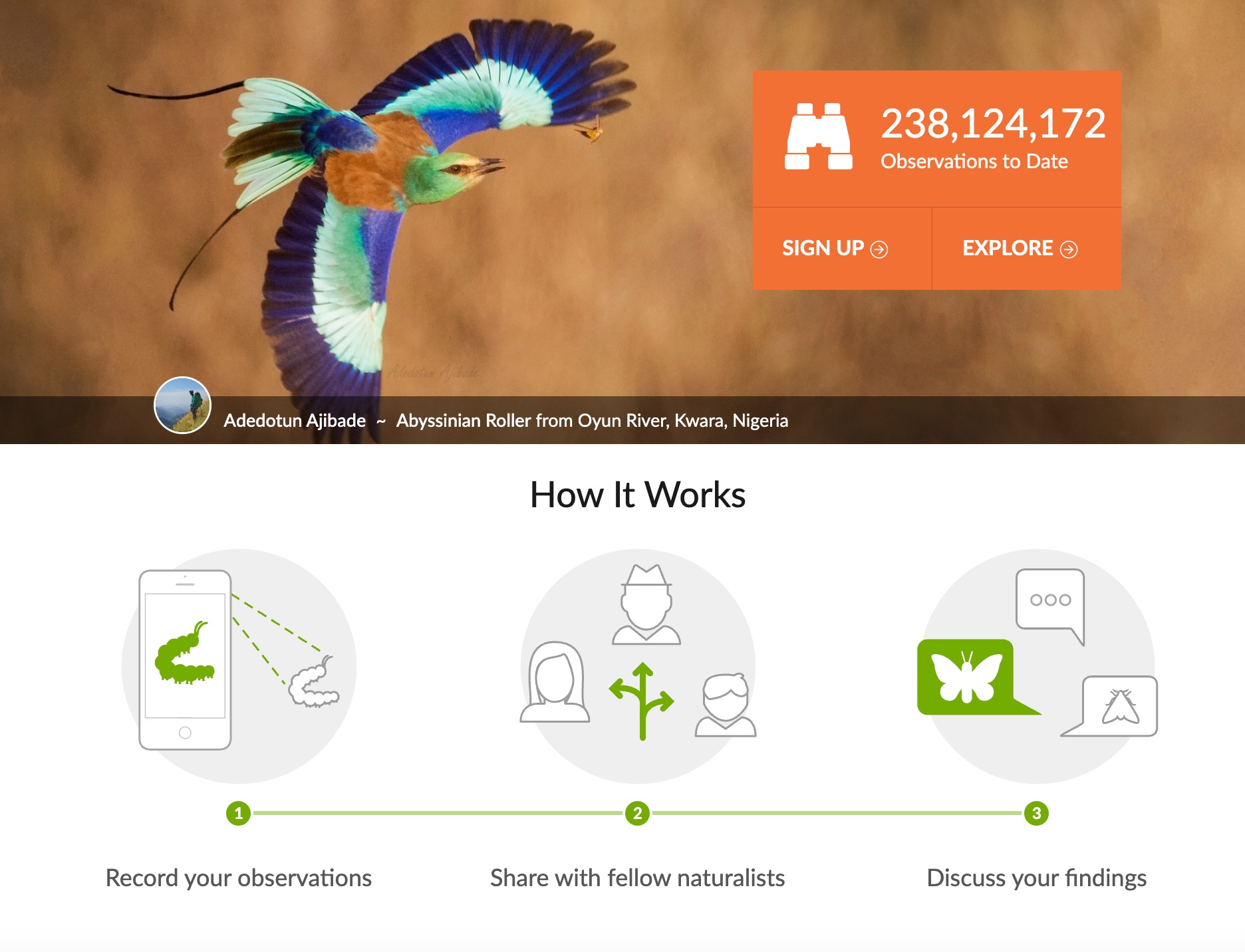
Getting started is easy—just download the iNaturalist app to your smartphone before you head off on your Kangaroo Island wildlife adventure.
Help Track Kangaroo Island’s Native Orchids
Love wildflowers or enjoy bushwalking? If so, the Wild Orchid Watch (WOW) project is the perfect citizen science opportunity for you while exploring Kangaroo Island.
It’s simple to get involved: just head to app.wildorchidwatch.org on your mobile device and follow the easy steps to start recording your orchid sightings.
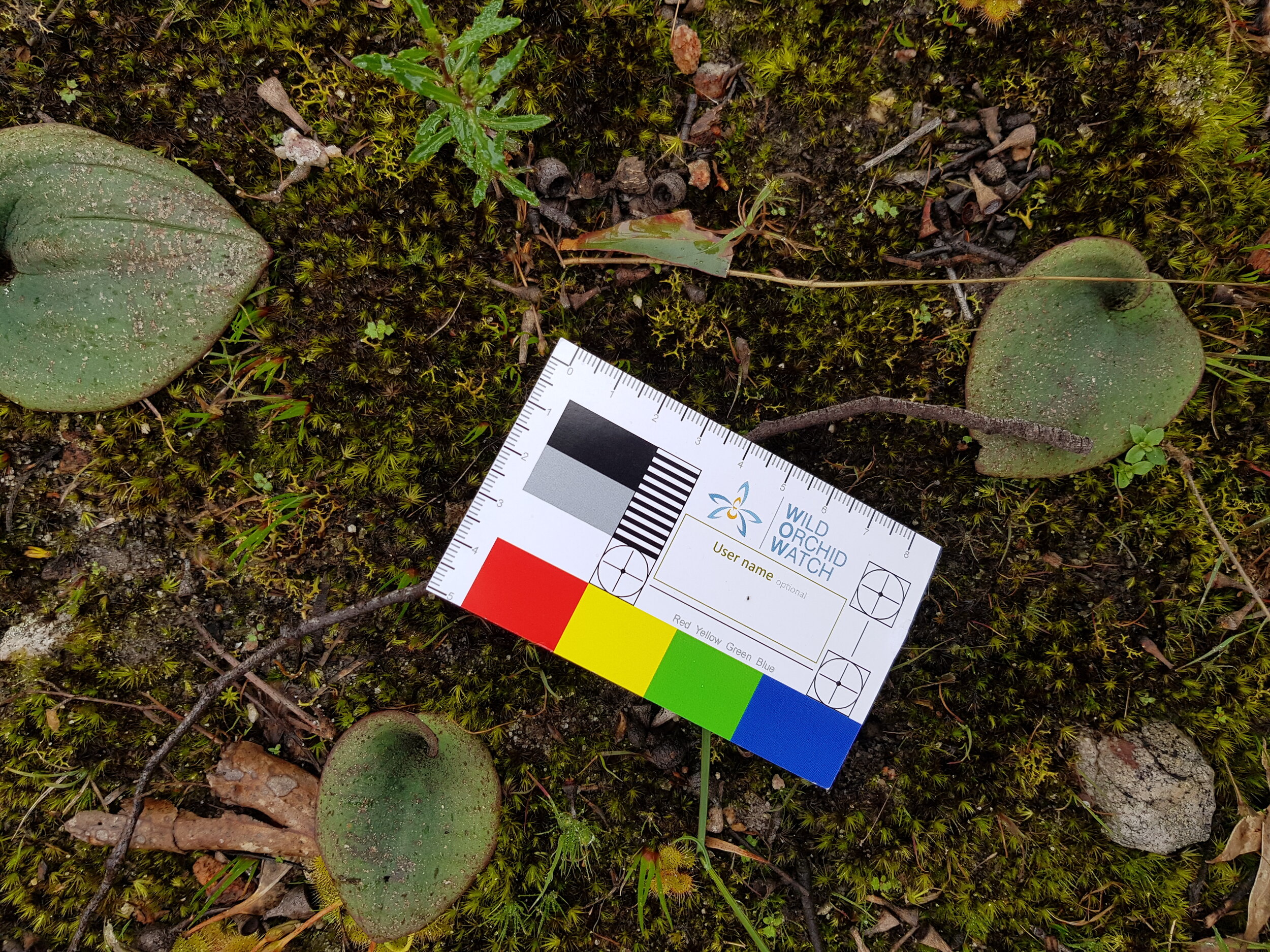
While you’re out exploring, remember to tread carefully—many native orchids are delicate and can be easily damaged underfoot. Always watch your step to protect these beautiful and fragile plants.
The data you collect will directly contribute to important scientific research into how Australian orchids can serve as indicators of broader ecosystem and biodiversity changes. By joining in, you’ll help protect the island’s unique natural heritage for future generations.
Become an Echidna Detective with EchidnaCSI
Kangaroo Island is home to one of Australia’s most fascinating creatures—the echidna. But there’s still so much to learn about these shy animals, and you can help!
EchidnaCSI is a citizen science project that needs your help to track echidna activity across Kangaroo Island. Getting involved is easy: simply download the EchidnaCSI app, snap photos of any echidnas you spot, and upload them. The app will automatically record important details like the location, date, and time of your sighting.
You can also contribute to vital research by collecting echidna scats (droppings), which scientists can analyse for DNA, diet, microbiome, and hormone levels. This research is crucial for understanding echidna health, reproduction, and stress levels—and helping to protect future populations.
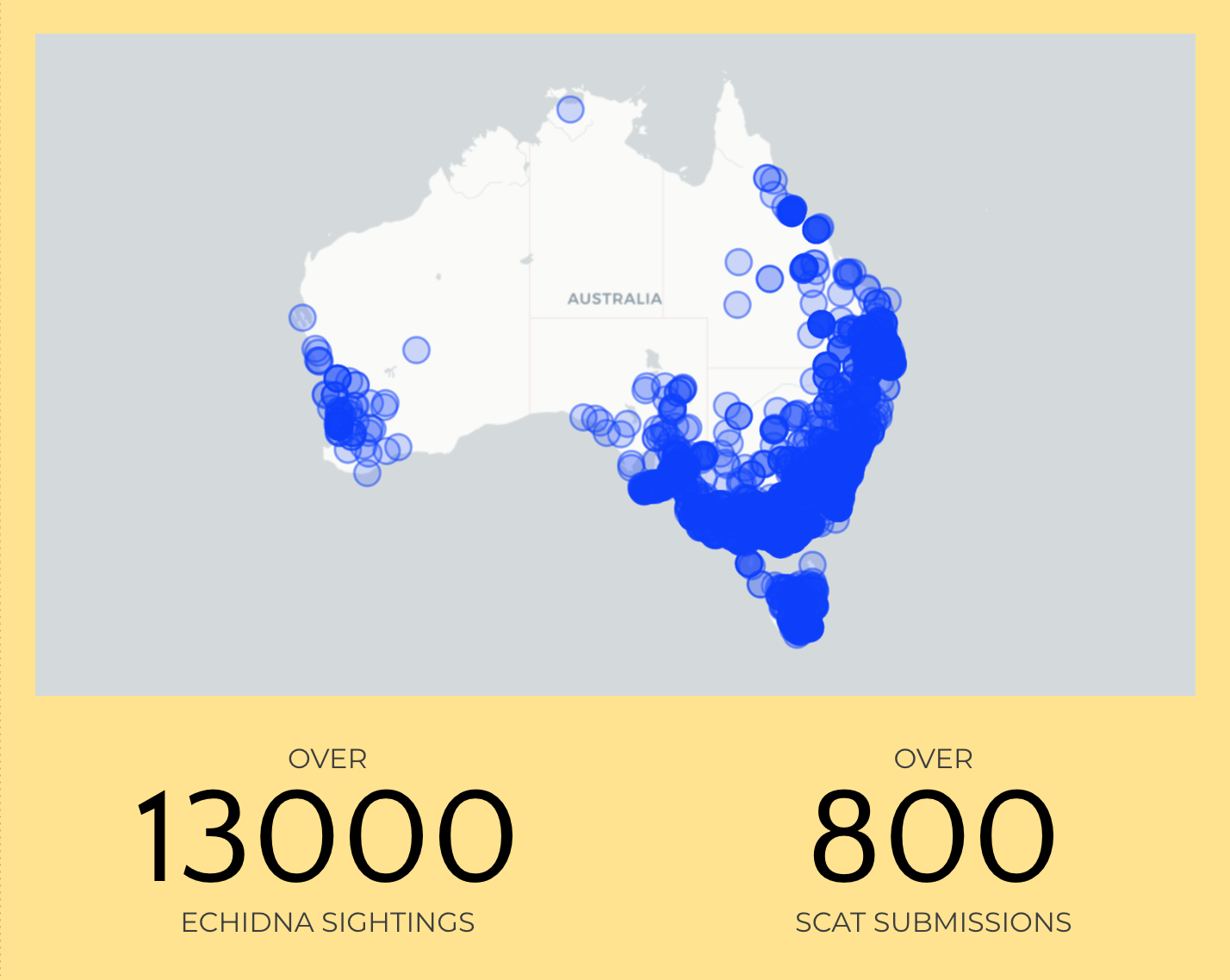
By joining EchidnaCSI during your Kangaroo Island visit, you’ll help uncover the hidden life of one of Australia’s most iconic animals.
Dolphin Watch: Help Protect Kangaroo Island’s Dolphins
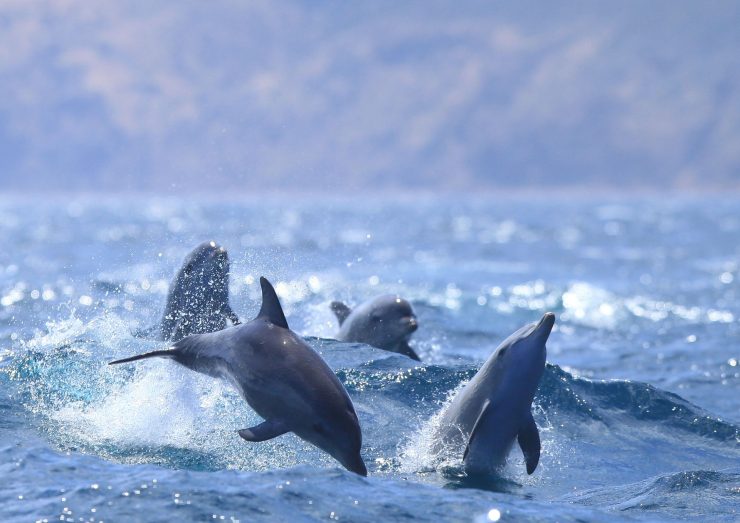
Since 2005, the Kangaroo Island / Victor Harbor Dolphin Watch project has been empowering volunteers to help monitor and protect the local dolphin population. In partnership with Whale and Dolphin Conservation, this award-winning citizen science initiative collects valuable data on dolphin movements, habitats, and behaviour.
Through regular surveys—run by partners like Kangaroo Island Marine Adventures—volunteers have the chance to get out on the water, observe dolphins in their natural environment, and capture images and video footage. Researchers then identify individual dolphins based on their unique dorsal fins and body markings.
The data collected supports one of Australia’s most important long-term marine conservation studies, helping to ensure that Kangaroo Island’s vibrant dolphin community thrives for generations to come.
Help Save the Glossy Black-Cockatoo on Kangaroo Island
The striking Glossy Black-cockatoo—subspecies Calyptorhynchus lathami halmaturinus—has sadly vanished from mainland Australia, but it still finds sanctuary on Kangaroo Island. Thanks to the dedicated work of the Glossy Black-cockatoo Recovery Program, this endangered bird has made a remarkable comeback.
Launched in 1995, when fewer than 160 birds remained, the program has helped double the Glossy population to over 360 individuals, encouraging them to reclaim more of their island habitat. However, the devastating 2019–2020 bushfires severely impacted their feeding grounds, and conservation efforts are more important than ever.
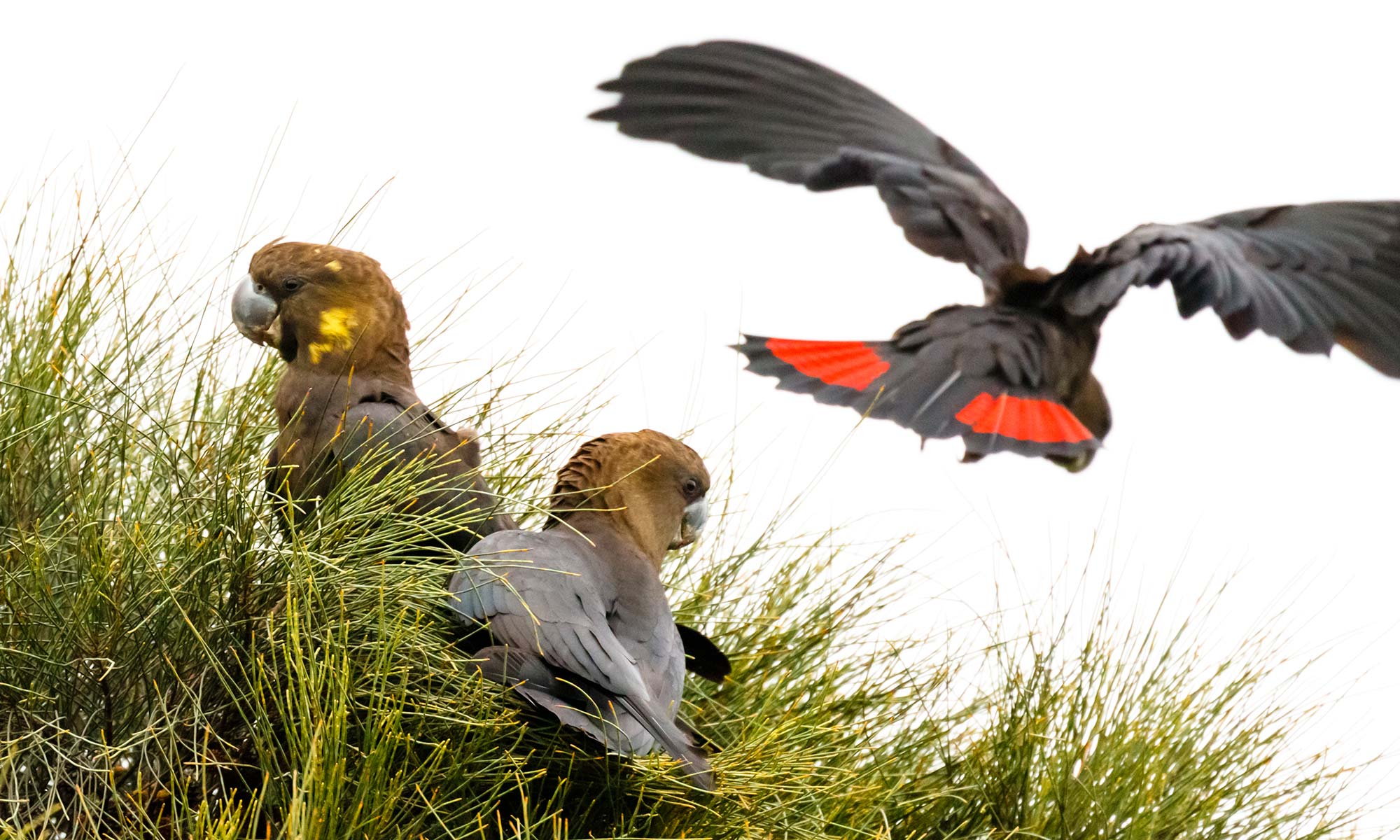
If you’re passionate about wildlife, there are volunteer opportunities to get involved. Help plant vital sheoak trees during winter, or assist with the annual Spring population census. To find out more or to volunteer, contact the Kangaroo Island Landscape Board and become part of this vital conservation story.
Protecting the Endangered Kangaroo Island Dunnart
The elusive Kangaroo Island Dunnart (Sminthopsis fuliginosus aitkeni) is a rare native species found nowhere else but Kangaroo Island, South Australia. Listed as endangered, this tiny marsupial was already struggling before the catastrophic 2019–2020 bushfires, which destroyed around 96% of its known habitat.
Before the fires, fewer than 500 individuals were believed to survive, mainly in the island’s western regions. Today, urgent work is underway through the Kangaroo Island Dunnart Recovery Program, led by the Kangaroo Island Landscape Board. Their mission is to locate remaining populations, assess immediate and long-term threats, and implement strategies to ensure the species’ survival.
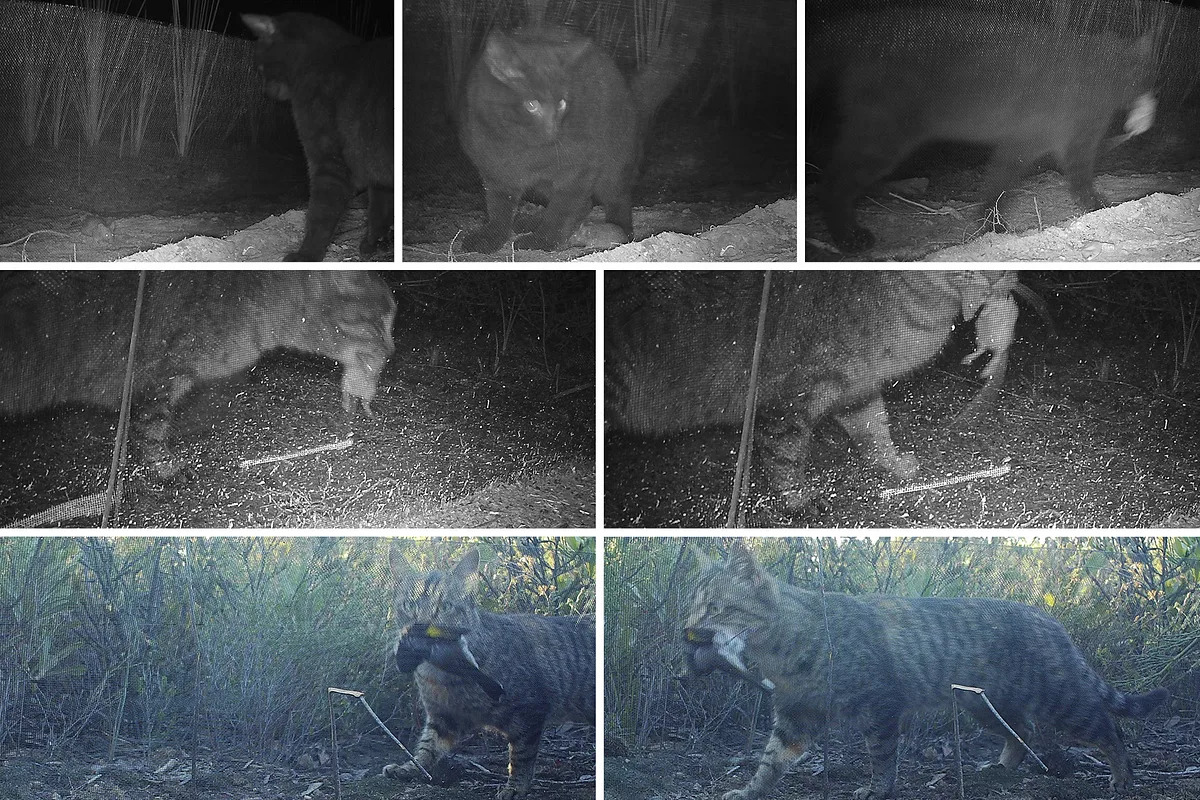
You can be part of this important work. Through a partnership between National Parks and Wildlife SA and the Atlas of Living Australia, citizen scientists can review camera trap footage online and help identify the animals captured. If you’d like to contribute to this vital conservation effort, visit the DIGIVOL Bushfire Recovery Projects and start helping from anywhere in the world.
Tackling Feral Cats on Kangaroo Island
Feral cats pose one of the biggest threats to Kangaroo Island’s unique wildlife, including endangered species like the Kangaroo Island Dunnart, Kangaroo Island Echidna, Southern Brown Bandicoot, and the vulnerable Hooded Plover. These invasive predators have devastated native animal populations and continue to jeopardise conservation efforts across the island.
Beyond environmental damage, feral cats also spread livestock diseases such as Sarcocystis and Toxoplasmosis, impacting the island’s sheep farming industry and causing significant economic losses.
You can help protect Kangaroo Island’s biodiversity by reporting sightings of feral cats, especially on the Dudley Peninsula. Download the easy-to-use Feral Cat Scan app to log sightings, track feral cat impacts, or report control activities. Alternatively, you can email the Kangaroo Island Landscape Board at [email protected].
Every report helps build a clearer picture of where feral cats are most active, supporting efforts to protect the island’s precious ecosystems.
Roadkill Research on Kangaroo Island
It might not be the most glamorous part of your Kangaroo Island adventure, but reporting roadkill plays a vital role in supporting local wildlife research. Deceased animals, particularly echidnas and Rosenberg’s goannas, provide valuable scientific data that helps conservation efforts.
If you come across roadkill during your travels, you can assist renowned wildlife researcher Dr Peggy Rismiller by recording the location and taking a photo. Please send your findings to [email protected]. Alternatively, you can drop off specimens at the Kangaroo Island Landscape Board office in Kingscote for further examination.
By helping document these sightings, you’re contributing directly to research that informs how we protect Kangaroo Island’s remarkable wildlife.
Explore and Help Protect Kangaroo Island’s Wildlife
At Inspiration Outdoors, our guided Kangaroo Island tours are designed to connect you deeply with the island’s incredible landscapes and unique wildlife — while treading lightly on the environment. Join one of our small group adventures and experience the magic of Kangaroo Island firsthand, knowing your visit supports local conservation efforts.
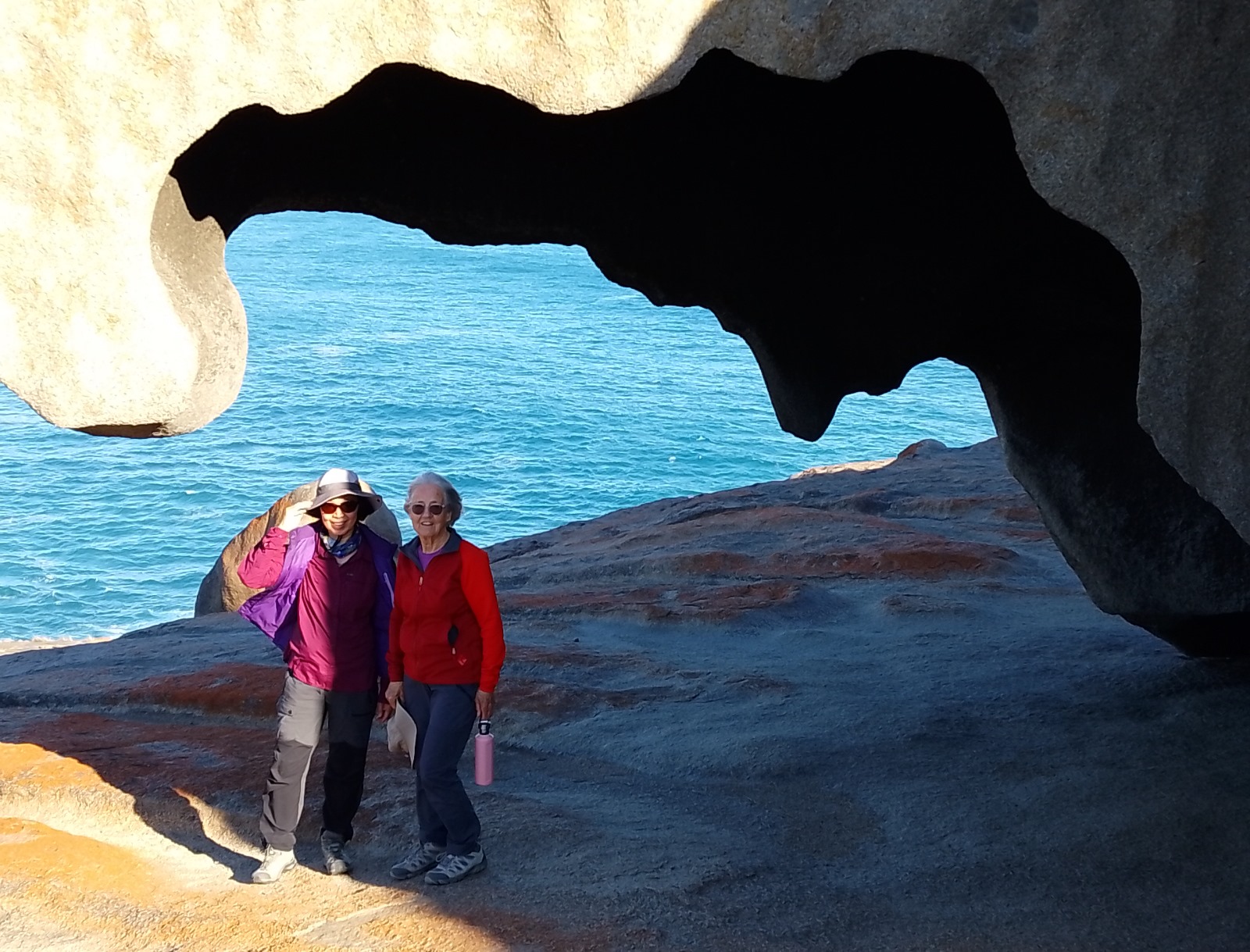
Browse our Kangaroo Island tours and start planning your journey today!

I’ve guided over 50 walking tours across Australia, with a special connection to South Australia and Kangaroo Island. With a background in outdoor education and a passion for sharing local stories, I love helping people experience the wild beauty of this country on foot.