Uncovering the History and Heritage of Kangaroo Island
Posted on
Life on Kangaroo Island has never been easy — and that’s exactly what shaped its character. Separated by treacherous seas and largely cut off from the mainland, the island quickly developed a reputation for tough, self-reliant communities. From the earliest European arrivals to the days of permanent settlement, the stories here are grounded in survival, determination, and a clever resourcefulness born from isolation. It’s a place where history doesn’t just sit in museums — you can see it in the landscape, in the old buildings, and in the way locals still do things a little differently.
Stories That Shaped Kangaroo Island
Kangaroo Island may seem remote today, but its story goes back tens of thousands of years. Around 10,000 years ago, rising sea levels after the last ice age cut the island off from mainland Australia — long after Aboriginal people had already called it home. Archaeological finds like shell middens and stone tools show that First Nations people lived on the island for at least 16,000 years. Known to mainland Aboriginal groups as Karta, meaning “Island of the Dead,” it holds deep spiritual significance. Strangely, Aboriginal presence here ceased roughly 2,000 years before European contact, and the reason why still remains one of the island’s enduring mysteries.
Walk along the trails today and you’ll see a curious blend of French and English place names — a reminder of the early 1800s, when two famous explorers arrived within months of each other. In 1802, British navigator Matthew Flinders stepped ashore and dubbed it ‘Kanguroo Island’ after his crew feasted on the plentiful kangaroos — reportedly consuming over 30 of them in just a few days.

Not long after, French explorer Nicolas Baudin arrived aboard Le Géographe, mapping much of the island’s rugged southern coastline. That’s why you’ll still see names like Cape du Couedic and Vivonne Bay on the map today. If you visit Penneshaw, be sure to stop by Frenchman’s Rock — the site where Baudin’s crew came ashore, now marked with a plaque commemorating their 1803 circumnavigation of the island.
Shipbuilders, Settlers and Shipwrecks: Life on Kangaroo Island’s Edge
The rich waters off Kangaroo Island’s coastline didn’t go unnoticed for long. By the early 1800s, sealing and whaling crews were making their way here, and tales soon emerged of sealers — and even a few escaped convicts — living rough on the island from as early as 1802. These tough characters played a surprisingly important role in the island’s maritime history. In fact, American sealers from the vessel Union built what’s considered the first ship in South Australia — a schooner called Independence — right here in 1803. Today, a passionate team of volunteers is recreating that original vessel at the “big green shed” on the wharf at American River. It’s well worth a visit to hear more about this piece of living history.
Kangaroo Island was also central to the early European settlement of South Australia. When the colony was first established in 1836, this island was chosen as the site for the state’s first free settlement. But life on the island proved difficult. Water was scarce, and isolation made supplies unreliable. Within four years, the colony relocated to the mainland — but not everyone left. A few determined settlers stayed on, carving out small farms near sheltered bays and fertile river flats.
You can still walk through that history at Reeves Point, now a peaceful heritage site with a self-guided History Walk. As you wander the gentle path, keep an eye out for markers like the old post office and the ancient mulberry tree — both symbols of the community’s early resilience.
Back then, island life meant growing wheat and barley, raising sheep and cattle, fishing, and even exporting a little wool to the mainland. Salt was harvested from the shores, and whaling stations sprang up at places like D’Estrees Bay and Hog Bay in the 1840s.
Standing atop Flagstaff Hill at Reeves Point today, you’ll find a sculptural tribute to the first four ships that brought settlers here in 1836. It’s a great spot to take in sweeping views of Beatrice Islet and the surrounding conservation park. But it’s also a reminder: the waters around Kangaroo Island haven’t always been kind. Over the years, they’ve claimed their fair share of ships — among them the William (1847), Loch Sloy (1899), and Loch Vennachar (1905), each with stories of tragedy woven into the island’s maritime past.
Building of the Lighthouse & Solider Settlement
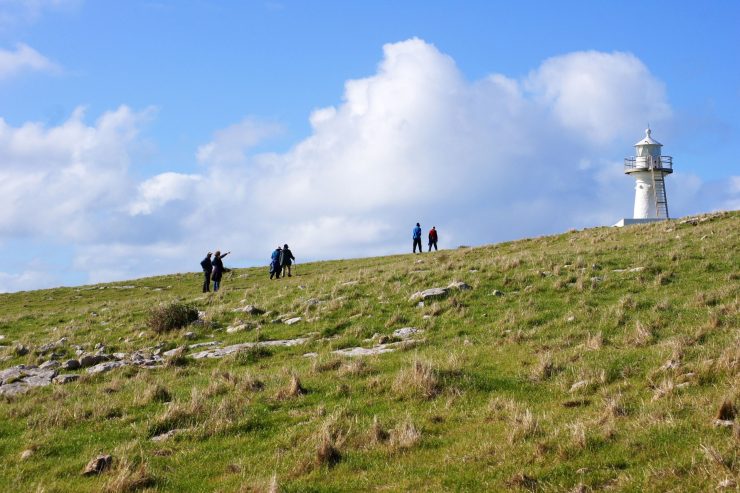
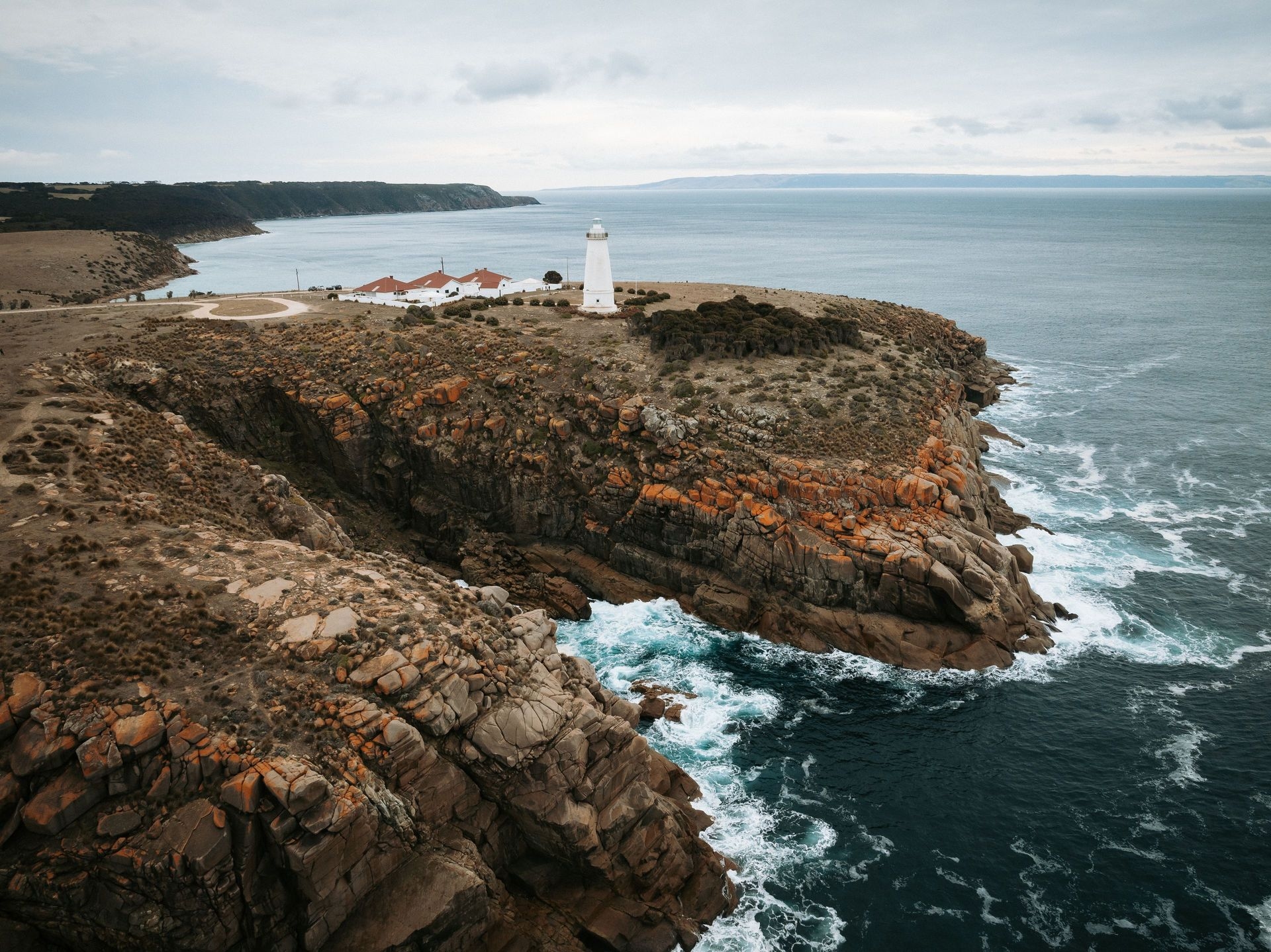
The coastline of Kangaroo Island has long demanded respect — and reliable navigation. That’s why South Australia’s very first lighthouse was built at Cape Willoughby in 1852. Just six years later, the square-shaped Cape Borda Lighthouse was raised high above the sea cliffs, guiding ships safely past the island’s rugged shores. These historic lightstations, along with Cape du Couedic (1906) and Cape St Albans (1908), are still operational today — their lights now automated, but their stories just as captivating. You can visit a couple of these lighthouses on a guided tour and get a real sense of what life was like for the keepers and their families, who kept the beacons burning through wild storms and long, quiet nights.
Kangaroo Island remained sparsely populated for decades, but things changed after World War II. In the late 1940s, the Australian Government launched the Soldier Settlement Scheme — a plan to help returned servicemen rebuild their lives through farming. About 1,200 acres of scrubland were allocated to each settler, but it was no easy start. Many veterans, still recovering from the war, moved to a basic camp in Parndana with their families. There they faced years of hard physical labour, clearing dense bush with axes and bulldozers, often before receiving their own farming block.
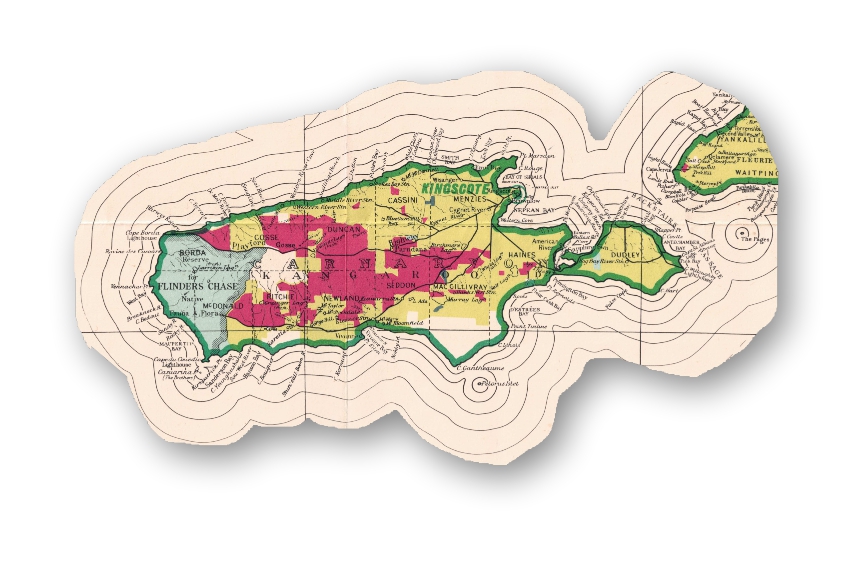
While waiting, they earned their keep helping clear land for others and shared the cost of equipment and transport to the island — which left them with a hefty debt of around £30,000 and only a leasehold on the land, not ownership.
Between 1948 and 1954, Kangaroo Island’s population nearly doubled to 3,000 as Parndana grew into a hub for these determined farming families. Life was tough, and many settlers supplemented their income by harvesting eucalyptus oil, cutting timber, collecting yacca gum, and selling animal skins.
By 1962, 174 farms had been established and the bush was cleared. The Parndana Soldier Settler Museum now tells the powerful stories of these early farming families — stories of grit, sacrifice, and the bonds that still hold communities together today. Around 20 of the original farms are still operated by the same families, generations on, a testament to the resilience that helped shape the Kangaroo Island we know now.
Conservation and Community on Kangaroo Island
Kangaroo Island’s farming legacy is more than just crops and cattle — it’s also deeply tied to a strong ethos of looking after the land. Since 1989, the island has been a leader in the Landcare movement, with an incredible uptake rate among local farmers. Thirteen Landcare groups were formed in those early days, giving farmers a chance to collaborate and restore catchments together. They worked closely with scientists and environmental officers, volunteering time and energy to heal the land. And it shows — wander through the agricultural heartland today and you’ll notice healthy creeklines, native bush corridors, and well-preserved patches of remnant vegetation.
The island’s conservation mindset stretches back further. In 1919, Flinders Chase was set aside as a flora and fauna reserve — long before conservation was a buzzword. This huge expanse of native scrub in the west of the island later became South Australia’s second official national park in 1972. Flinders Chase has played a major role in protecting Australia’s wildlife, especially during the 1940s when over 20 species, including koalas and platypus, were introduced to the reserve to save them from mainland threats. Some of these animals are still thriving here today, thanks to that early vision.
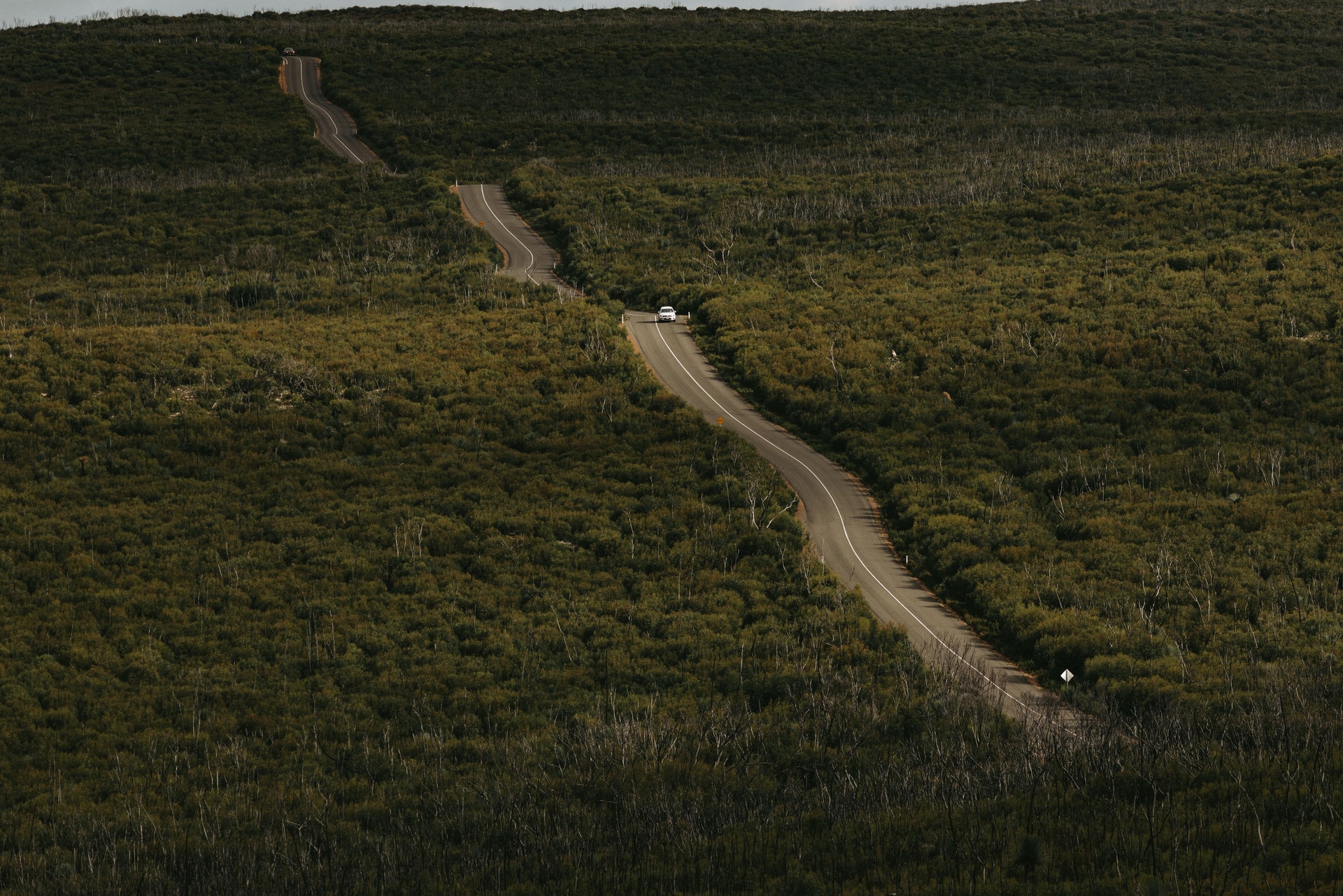
In those early decades, life as a park ranger was anything but easy. Rangers like George Lonzar and his wife Joyce lived at Rocky River Homestead, which doubled as a post office, weather station, and pit stop for travellers. With limited funding, they managed fencing, built roads and camping spots, and welcomed curious visitors — who numbered just a few thousand annually in the 1980s. Sadly, some of these early buildings were lost in the devastating 2019–2020 bushfires, but the spirit of conservation continues.
Today, around 4,500 people call Kangaroo Island home, and tourism plays a major role in supporting local livelihoods — alongside agriculture, small-batch food production, and the arts. More than 140,000 people visit the island each year, drawn by its wild beauty, wildlife, and the quiet sense of pride and care that runs through the community. Whether you’re walking through native bush, browsing a local gallery, or buying produce at a farm gate, you’re seeing that connection to land and heritage in action.
Want to Learn More? Here’s Where to Start
If you’re keen to dig a little deeper into Kangaroo Island’s rich and varied history, we recommend checking out a few of the island’s most fascinating historical spots.
Drop by the Parndana Soldier Settler Museum to uncover stories of resilience from post-war farming families, or explore early settler life at Hope Cottage National Trust Museum. For a glimpse into Kangaroo Island’s maritime past, the Rebuild Independence Project in American River is a must – they’re building a replica of the first ship ever constructed in South Australia.
The island’s iconic lighthouses – Cape Willoughby, Cape Borda, and Cape du Couedic – aren’t just scenic stops, they’re steeped in stories of isolation, survival and shipwrecks. Meanwhile, the Reeves Point Historical Precinct offers a peaceful walk through one of South Australia’s first colonial settlements.
You might also like to visit the Old Wisanger School, Penneshaw Maritime and Folk Museum, or Emu Ridge Eucalyptus Distillery, which still produces eucalyptus oil the traditional way.
For those who enjoy walking with purpose, spots like Frenchman’s Rock, Weirs Cove, Harveys Return, the Cannery Walking Trail, and Ballast Head offer a chance to experience the island’s history on foot — all surrounded by that rugged natural beauty Kangaroo Island is known for.
There’s a lot to uncover here, and these spots are a great place to start.
Walk Kangaroo Island the way it should be experienced – on foot.
Towering sea cliffs, sculpted rock formations, secluded beaches and native bushland — Kangaroo Island is a place that truly comes alive when you slow down and walk it. Our 5-day Kangaroo Island Wilderness Trail tour takes you along the island’s remote southwest coast, past iconic sites like Remarkable Rocks and Admirals Arch, through Flinders Chase National Park and along wild clifftops where fur seals bask and birdlife thrives.
With lodge-style accommodation, all meals, and experienced local guides who share the stories behind the landscapes, this is a walking holiday made easy. You’ll carry only a daypack, return to a warm shower and a hearty meal each night, and connect with a small group of like-minded walkers who share your love for wild places.
Spring and summer departures are now available — the perfect time to see blooming wildflowers, spot wildlife, and enjoy big southern skies.
Don’t just visit Kangaroo Island. Walk it, feel it, and really experience it.

I’ve spent over a decade leading tours across Europe, and now I manage more than 100 departures a year across South Australia and Victoria. Helping travellers connect with Australia’s landscapes — and supporting the guides who bring them to life — is what I do best.