Why Kangaroo Island Is one of Australia’s Natural Wonders
Posted on
Updated: 21st May 2025
Kangaroo Island’s remoteness and isolation have created a unique sanctuary for both wildlife and plant species. As Australia’s third-largest island, Kangaroo Island (often affectionately known as KI) is globally recognised for its natural beauty, incredible natural landscapes, and biodiversity.
What is Unique About Kangaroo Island?
Owing to its isolation from the mainland, Kangaroo Island has avoided many ecological pressures. The absence of foxes and rabbits has preserved the integrity of its native wildlife and natural habitat. It’s also one of the rare places where you can spot Long-nosed Fur Seals basking along the coast or encounter the endangered Kangaroo Island Dunnart in its native bushland.
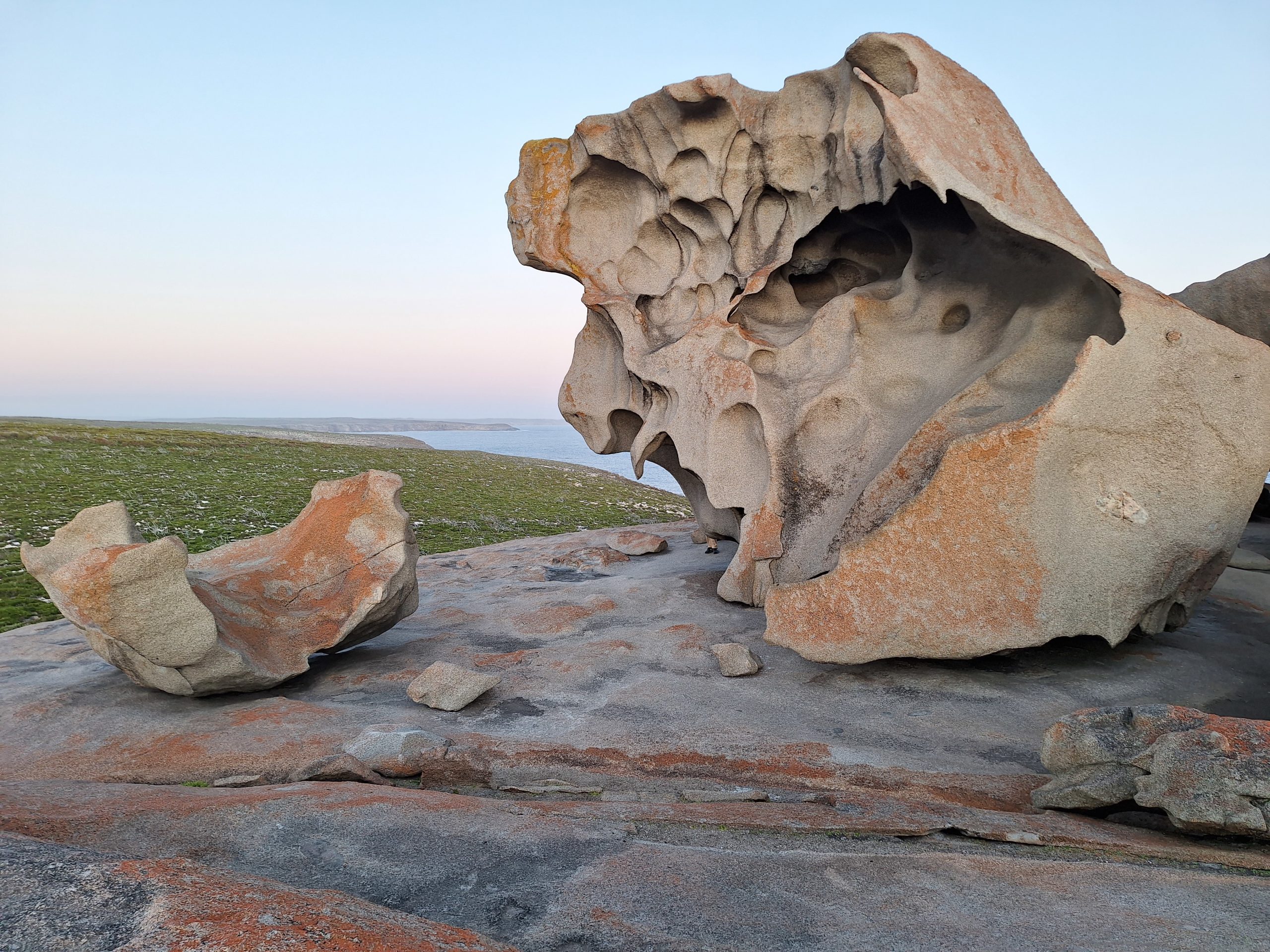
Flinders Chase National Park, the island’s best-known protected area, is home to the dramatic Remarkable Rocks, Cape du Couedic Lighthouse, and iconic natural rock arch formations shaped by forces of wind and time. Alongside this, Bay Conservation Park, Seal Bay Conservation Park, and a host of other Conservation Parks protect the island’s amazing wildlife, natural attractions, and pristine waters. These areas form part of the network of marine parks surrounding the island.
The island boasts a variation in lifeforms due to its glacial period history and isolation, with species diverging from mainland counterparts over thousands of years. Native fauna, including the Kangaroo Island Kangaroos, have evolved differently and thrive in these natural formations.
Why is Kangaroo Island So Valuable?
With over one-third of the island declared a conservation or national park, Kangaroo Island is a biodiversity hotspot. Home to:
- 12 nationally threatened mammals such as the Southern Brown Bandicoot, Kangaroo Island Echidna, and the Kangaroo Island Dunnart
- 260+ bird species, including the Glossy Black-cockatoo, Southern Emu-wren, Bassian Thrush, and Western Whipbird
- 25 reptile species including the endangered Rosenberg’s Goanna
- At least six frog species
- Over 900 plant species—many of which are endemic
It’s also a stronghold for the ornate Leafy Sea-Dragon, found in the island’s crystal-clear waters. The surrounding Southern Ocean supports a range of marine species including Australian Sea-lions, and contributes to the island’s reputation as one of Australia’s natural wonders.
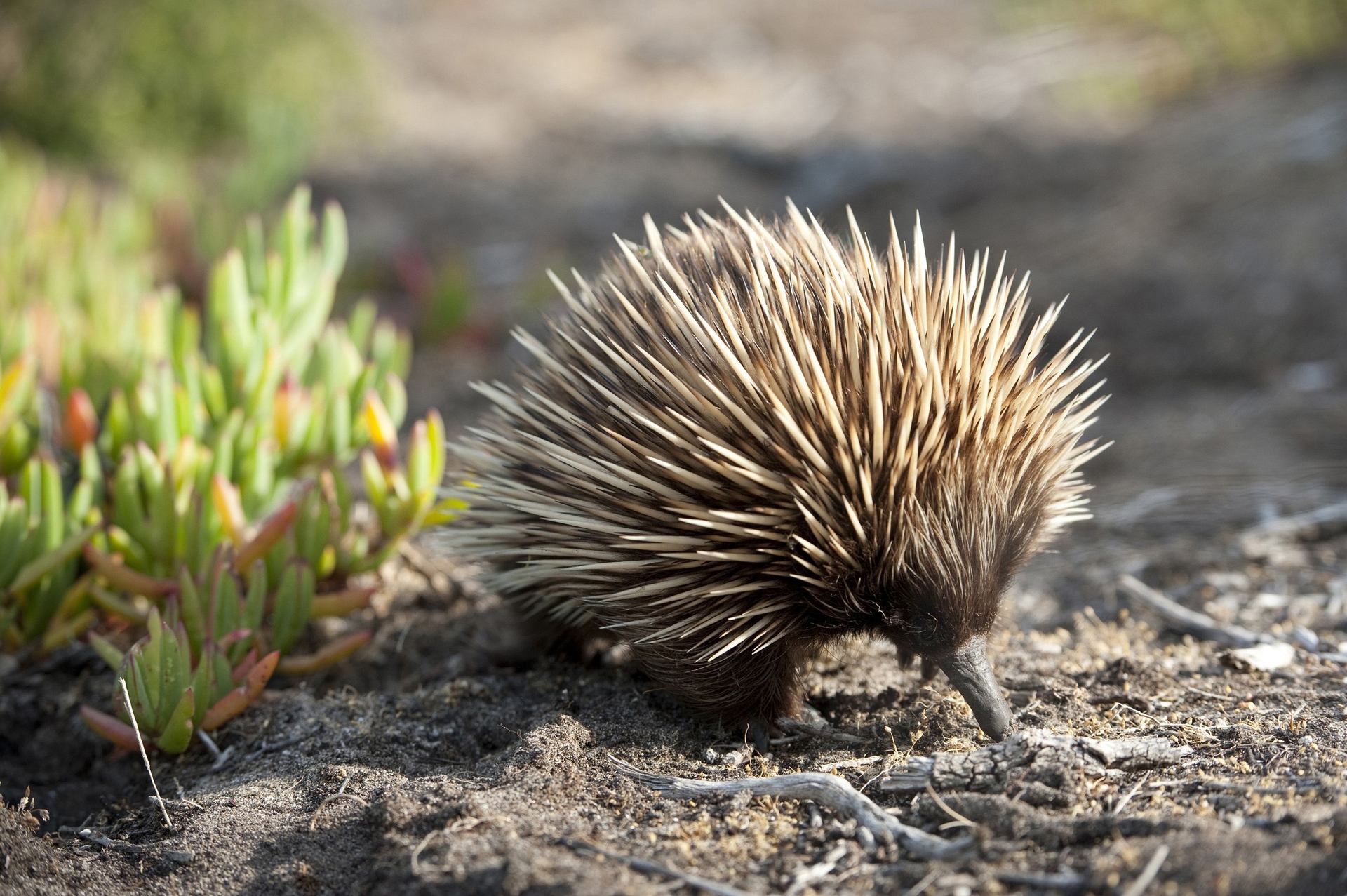
The island’s role in preserving Australian wildlife is vital to the work of Exceptional Kangaroo Island and other conservation groups, who ensure the island continues to be a model for sustainable tourism and eco-protection.
Ligurian Honey Bees
Kangaroo Island is home to the world’s only pure strain of Ligurian honey bees. These bees are essential for local agriculture and produce some of the rarest honey in the world.
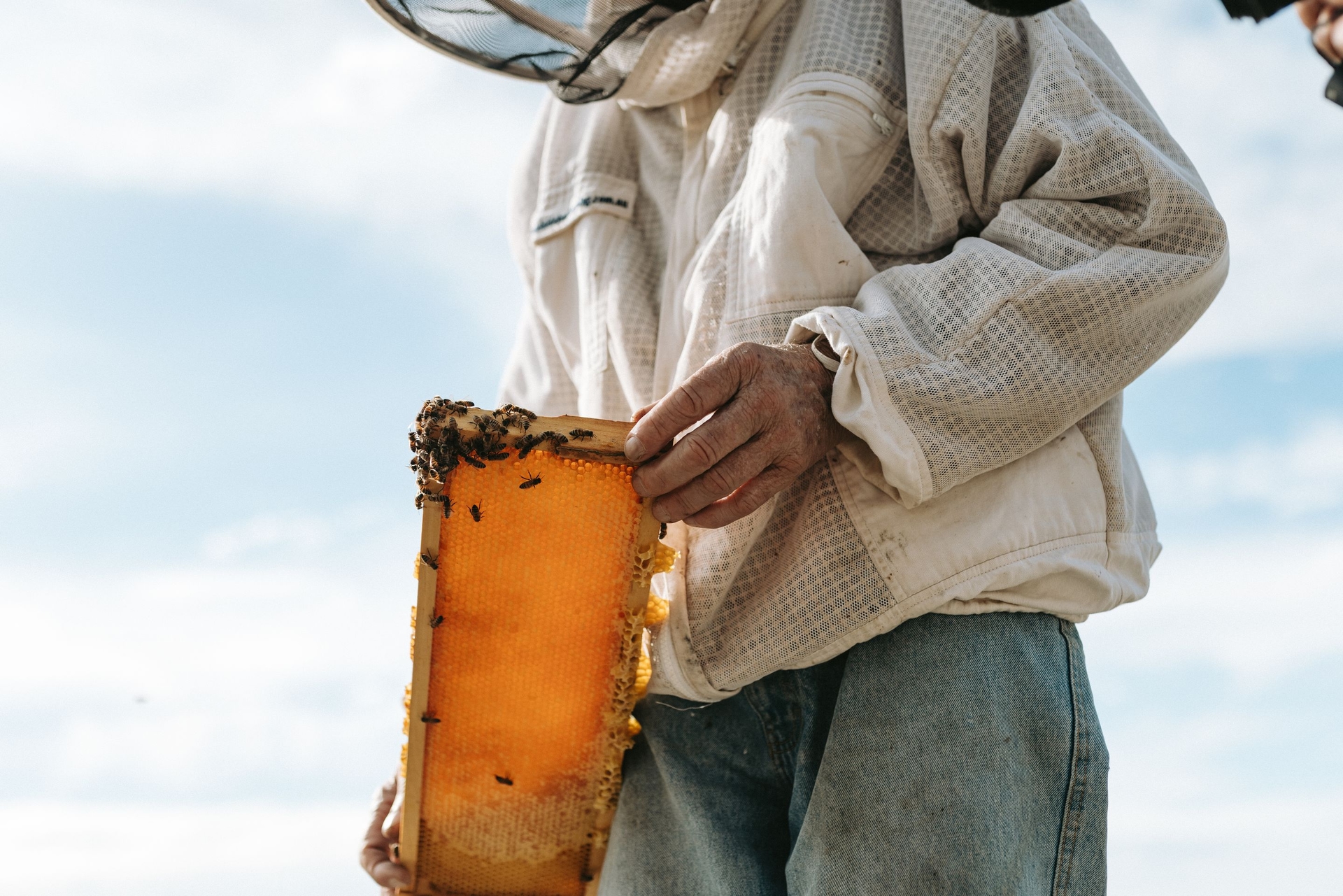
Why can’t you take honey to Kangaroo Island? Bringing bee products, including jars of honey or used hive equipment, risks introducing disease to this genetically pure population. Help keep this heritage safe—leave your honey at home and support local Kangaroo Island honey producers instead.
The Wine and Food Scene
Kangaroo Island is an emerging tourism destination with a growing reputation for gourmet experiences. The wine industry here is flourishing, with vineyards like False Cape Wines, Dudley Wines, and Bay of Shoals Wines producing award-winning varietals.
The combination of fertile soils and pristine beaches makes for ideal growing conditions, while the cool Mediterranean climate creates a premium luxury wine experience. Don’t miss a tasting at Kangaroo Island Spirits, the island’s first boutique distillery, offering botanical gins infused with native flora.

Agriculture and Biosecurity
As a quarantine-protected area, Kangaroo Island produces seed potatoes valued for their disease-free qualities. These are mostly grown on the central plateau and western end of the island. Since the devastating bushfires of 2019-2020, growers have worked together to rebuild.
To protect this valuable industry:
- Don’t bring unwashed or dirty potatoes.
- Opt for local produce like fresh seafood, local potatoes, and artisan cheese instead.
- Don’t bring vine cuttings or grape material into the island unless they’re inspected and certified—this protects the wine region from pests and disease.
Pest Plants and Animals
The island has avoided pests like foxes and rabbits, but vigilance is key. Invasive plants and animals can be introduced through dirty gear, vehicles, or ferry service cargo.
Before visiting:
- Clean boots, tents, and vehicles.
- Wash boats and fishing gear to prevent the spread of aquatic pests.
- Report sightings of ferrets, goats, or deer to the Department of Primary Industries and Regions.
Pets
We understand that Island Life is better with your furry friends, but Kangaroo Island has strict pet regulations to protect Kangaroo Island Wildlife. Dogs and cats are not allowed in Flinders Chase, Seal Bay, or any national park—including car parks.
If you bring a pet, register them with the Kangaroo Island Council and keep them under control at all times. There are no dedicated off-leash areas, and effective voice control is required.
Don’t Miss These Spots
Whether you’re on a Kangaroo Island Trails hike, a Kangaroo Island Glamping escape, or a Kangaroo Island Sip & See Day Tour, there’s no shortage of unforgettable experiences. Don’t miss:
- Vivonne Bay and its turquoise waters
- Stokes Bay, ideal for secluded sandy beaches
- Pennington Bay, great for photography and surfing
- Island Beach, perfect for peaceful seaside holidays
- Nepean Bay, popular for its scenic ferry trip arrival
- Cape Willoughby and Cape Borda—lighthouses with fascinating history
- Cape du Couedic, home to an active seal colony
- Reeves Point, site of early European discovery
- Murray Lagoon and Cygnet River SA, both rich in native fauna
- Kangaroo Island Outdoor Action and Kangaroo Island Ocean Safari tours for thrill seekers
And for an educational stop, pop into the Penneshaw Maritime and Folk Museum or the Parndana Soldier Settlement Museum to learn more about the island’s Indigenous history and rich history of resettlement.
Leave Only Footprints
Kangaroo Island’s commitment to conservation means visitors are encouraged to tread lightly.
- Stay on trails to protect fragile ecosystems.
- Don’t remove rocks, flowers, or shells—they are part of the island’s natural legacy.
- Pick up even the tiniest bits of litter, including food scraps. Non-native organic matter can harm wildlife and change ecosystems.
- Leave marine habitats undisturbed—watch Bearded Dragons basking in the sun or Fur Seals on the rocks without interfering.
Even your footprints matter. Stick to marked paths and avoid trampling through natural habitat areas to protect unique animals and flora.
Getting There
You can fly via Kingscote Airport or take a ferry service from Cape Jervis. On arrival, you’ll experience spectacular landscapes formed over millions of years, from natural rock arches to the coastlines of Island Seaway.
And don’t forget: before your journey, check international access tips from Tourism Australia and remember—Kangaroo Island is a place where exceptional wildlife encounters meet heritage locations, from the National Trust Museum to world-class art galleries and gourmet escapes.
Experience unforgettable adventures where natural beauty, natural wonders, and spectacular nature await around every corner.
Explore Kangaroo Island With Us
Ready to experience Kangaroo Island beyond the guidebooks?
Join our Kangaroo Island Walking Tour – a small-group, guided experience that blends wildlife encounters, scenic trails, and local stories with comfort and ease. With expert guides, all logistics handled, and pack-free walking, it’s the perfect way to discover the island’s rugged coastlines, hidden coves, and spectacular national parks on foot.

I’ve guided over 50 walking tours across Australia, with a special connection to South Australia and Kangaroo Island. With a background in outdoor education and a passion for sharing local stories, I love helping people experience the wild beauty of this country on foot.