5 things to know before you go to Karijini National Park
Posted on
It’s hard to imagine a national park in Australia that is more spectacular than Karijini. The precipitous gorges, sublime swimming holes and vivid outback colours strike wonder in all who are lucky enough to venture to this remote part of the country. It can be a harsh place though, with dangerous terrain, an extreme climate and the remoteness of the true Australian outback. It’s not a place to be taken lightly so there are a few things to know that will help you be better prepared for this jewel in Western Australia’s crown.
- It can be very hot… and very cold!
One of the first things you’ll notice about Karijini National Park is just how extreme the weather can be. Out in the Pilbara, you can go from blistering heat to teeth-chattering cold in the space of a day. The nearby town of Marble Bar isn’t called Australia’s hottest town for nothing – it racks up the most days over 40°C every year. But don’t be fooled into thinking it’s always hot. On clear winter nights, the temperature can drop close to zero, and if you’re not ready for it, that chill will catch you out fast.
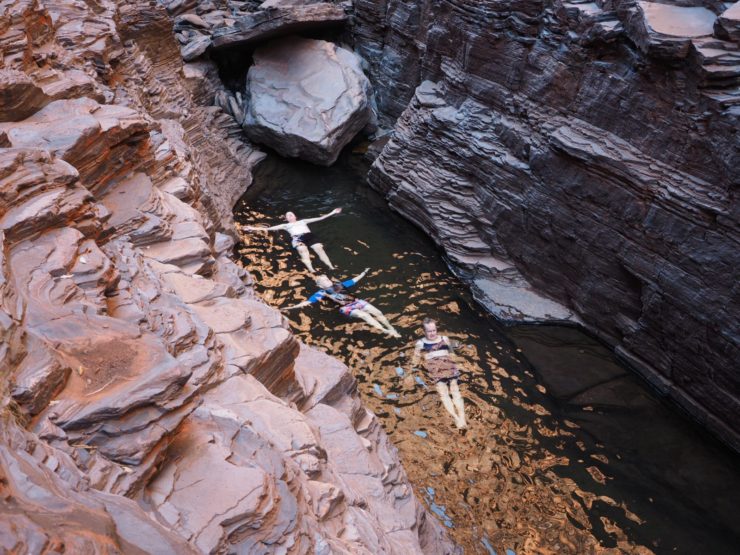
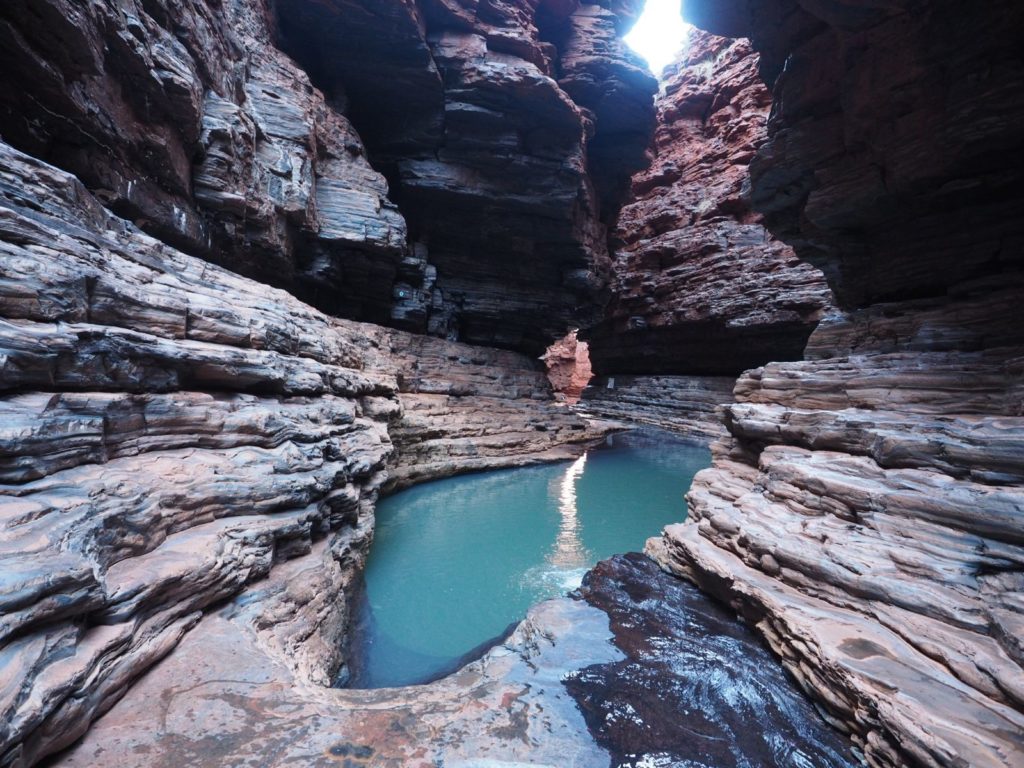
It’s not just the nights either. The gorges in Karijini are narrow and shady, which means the swimming holes stay icy cold all year round. It can be baking hot on the rim, and then you scramble down into a gorge and suddenly it’s like stepping into a fridge. Jumping into those pools is unforgettable – refreshing for some, shocking for others!
The trick is knowing what time of year suits you best. Here’s the lowdown on Karijini seasons and temperatures:
November – March
During this period, it will be extremely hot! November is the start of the build up to the wet season so temperatures soar, and the humidity floods back into the air. Monsoonal storms provide some relief, but it’s not typically a comfortable time of year to be in the park. The only good side is that the swimming holes are at a lovely temperature so can provide a little bit of relief form the searing heat.
April – May
This is hands-down my favourite time to visit Karijini. The heat starts to ease, humidity drops, and the days are still warm enough for swimming. Nights are comfy at first, but by May you’ll want a jumper. It’s still important to carry plenty of water on the exposed trails like Mt Bruce, and don’t get caught out if a late wet season storm sweeps in.
It’s not uncommon to get a late wet season storm come through during this time too. It’s important to be vigilant when there is rain in the area as flash flooding can be a real danger once down in the narrow gorges.
June – August
Winter in Karijini brings gorgeous blue skies and perfect hiking weather during the day. But the nights? Freezing! You’ll need a good sleeping bag, warm layers, maybe even thermals if you’re camping. The gorge pools are icy cold too – perfect for a quick dunk if you’re brave. The bonus is this is the best time to tackle the big open walks without worrying about heatstroke.
September – October
By September the warmth is back, the nights are pleasant again, and those cold gorge swims start to feel inviting. By October it’s heating up fast though, and the landscape starts to look pretty dry and dusty after months without rain.
Honestly, the best time to visit Karijini National Park is between April and September. Outside of that, it’s either way too hot or uncomfortably cold, and the extremes can make it a bit rough. Pick your season right and you’ll get to enjoy the gorges, pools, and walks without feeling like you’re suffering through them.
2. It’s dusty!
Here’s the thing about Karijini National Park – it’s beautiful, wild, and rugged… but it’s also seriously dusty. That famous Pilbara red dirt is everywhere. It clings to your boots, sneaks into your socks, stains your clothes, and somehow still ends up in your bag even if it was zipped shut. Wear white at your own risk – most people leave with what locals jokingly call a “Pindan Tan” (the reddish tint from the iron-rich soil).
The dust in Karijini is part of the experience, though. It’s rich in iron ore, which is what gives it that deep, rusty colour.
There’s not much you can do to avoid it – even the best hiking boots and gaiters won’t keep it out completely. The trick is to embrace it. Pack darker-coloured, quick-dry clothes so you don’t stress about stains, and accept that your gear will carry a little bit of Karijini home with it. If you’re planning to swim in the gorge pools, bring something you don’t mind sitting in the dirt in afterwards.
Think of it this way: by the end of your trip, that layer of red dust on your legs, pack, and shoes is like a badge of honour. It’s proof you’ve hiked the gorges, climbed the ridges, and really experienced the outback. A bit of dust is a small price to pay for walking through some of the most stunning landscapes in Australia.
3. It’s really far away
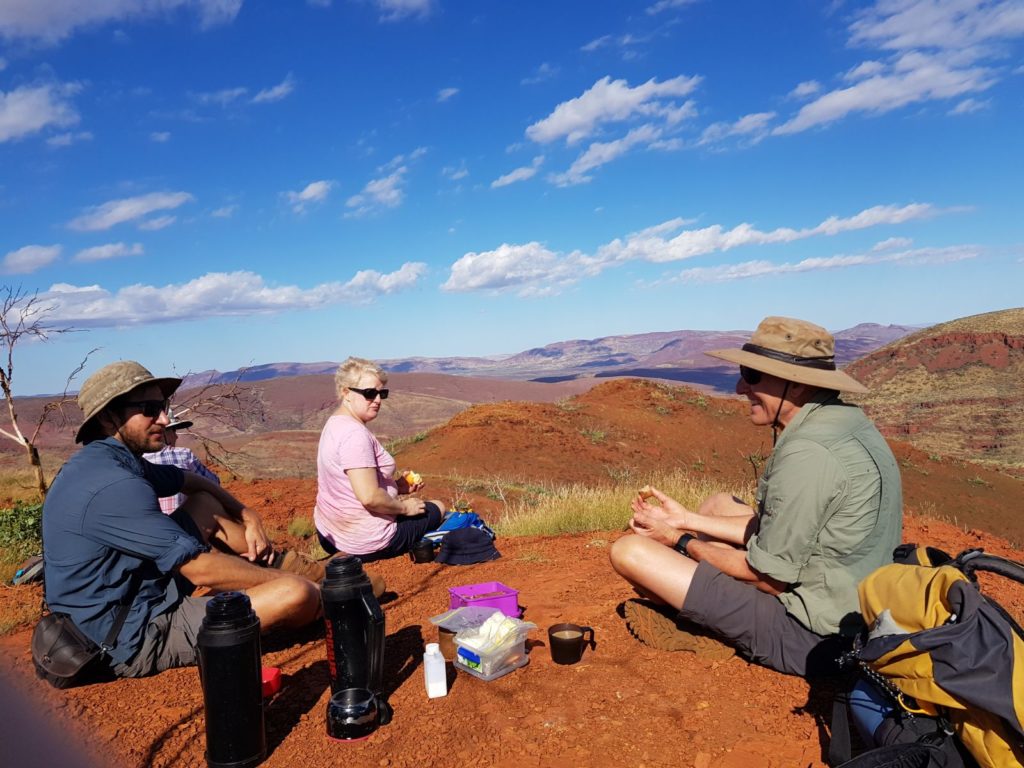
There’s no sugar-coating it – Karijini National Park is remote. You’re looking at around 1,400 km from Perth (yep, that’s about a 16-hour drive without stops) or roughly 600 km from Exmouth. The closest town is Tom Price, 80 km away, with a population of just over 3,000. It has a small supermarket, petrol station, and a pub – enough to stock up on essentials, but not much more. Once you’re in Karijini, you’re in the heart of the Pilbara outback, so you need to come prepared.
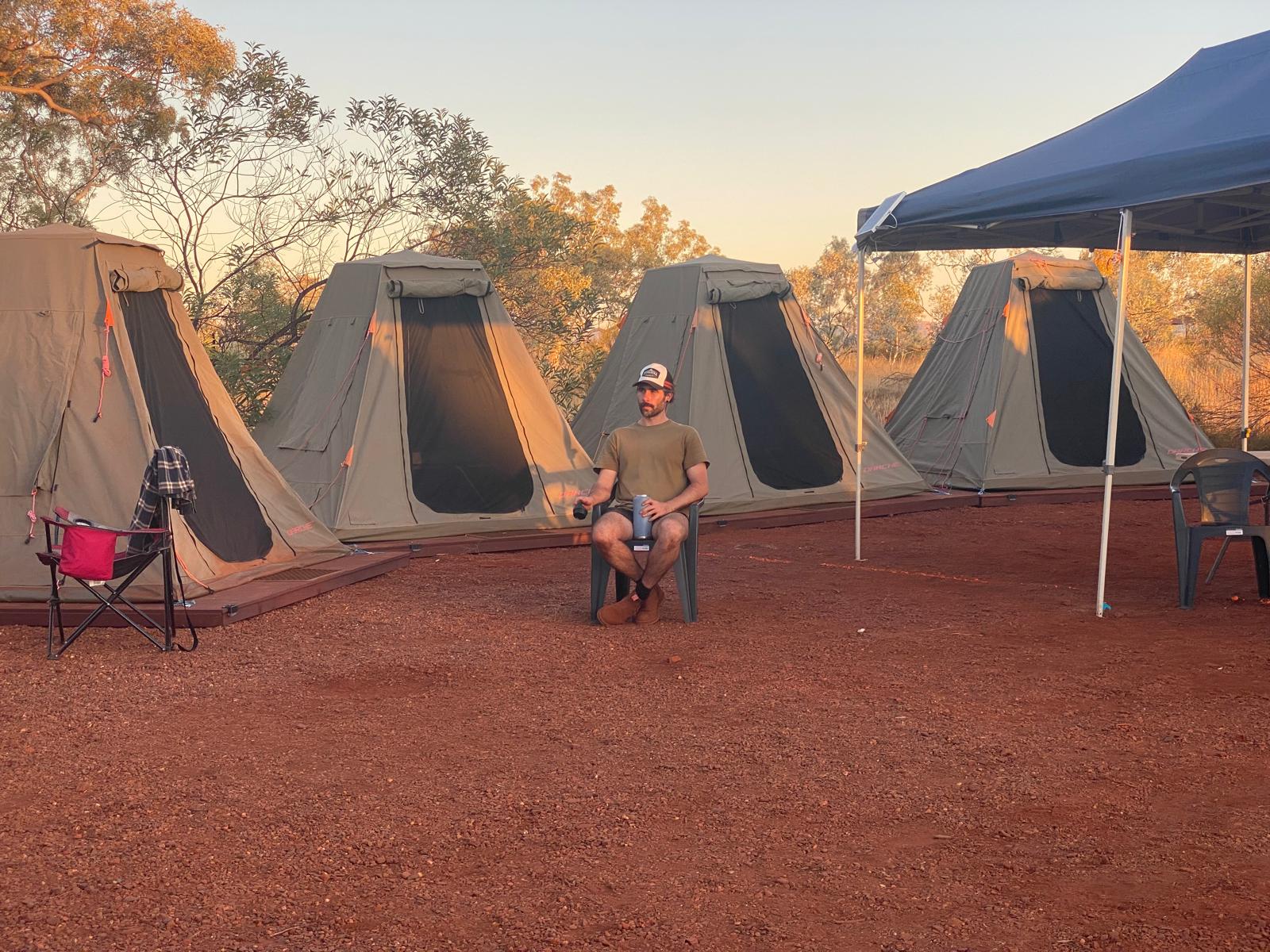
Accommodation in Karijini is limited to two main options: the Dales Gorge Campground and the Karijini Eco Retreat. The campground is basic but budget-friendly, with drop toilets and picnic tables, while the Eco Retreat offers permanent safari-style eco tents, unpowered campsites, and hot showers. It also has the only restaurant inside the park, but don’t expect a town’s worth of services – there are no supermarkets, no bottle shops, and no fuel inside Karijini. You’ll need to bring your food, water, and supplies with you.
Driving in Karijini is part of the adventure. Many of the main roads are sealed these days, but you’ll almost certainly end up on some red dirt tracks to reach the gorges. Flat tyres are common on the gravel, so carry a spare (or two) and know how to change it. A high-clearance vehicle isn’t essential, but it makes life a lot easier if you’re planning to explore beyond the main gorge area.
And don’t expect to stay connected. Phone coverage in Karijini is patchy at best. Optus has a few 4G towers at the Eco Retreat, Visitors Centre, and Dales Gorge, while Telstra works reasonably well on Mt Bruce. Outside of those spots, you’re looking at long stretches of “no service.” Honestly, it’s part of the charm – Karijini is the kind of place where you switch off, put the phone away, and just soak in the outback.
4. The flies might test your patience
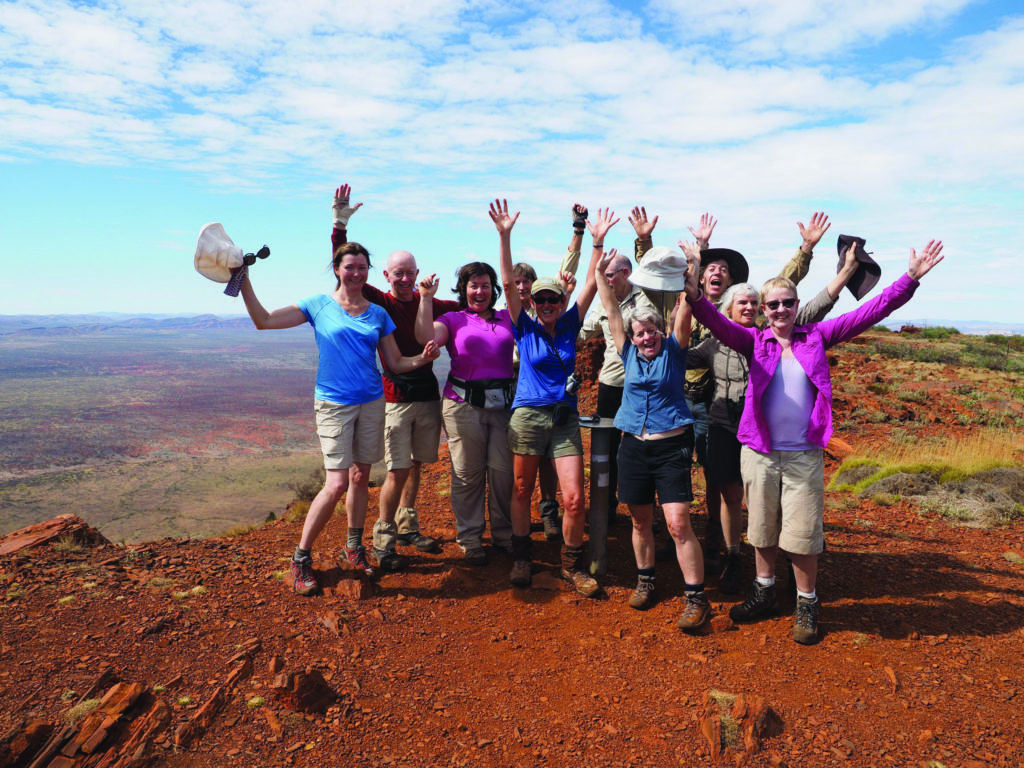
I’m not gonna lie, the flies in Karijini National Park can drive you a little nuts. They’re at their worst during the hot summer months (November through March), when the heat brings them out in swarms, but they can hang around well into the cooler seasons too. Even in the middle of winter, you’ll often find them buzzing around your face the second you stop walking.
Most locals and seasoned travellers swear by a fly net – and honestly, it’s a cheap lifesaver if you’re planning long hikes or sitting around camp. I’m usually not one for them, but there have been times in Karijini when I couldn’t have kept my sanity without one. Insect repellent helps a little, but it doesn’t do much against the persistence of Aussie bush flies.
The good news? The flies are more of an annoyance than a real problem. They don’t bite, and once you’re down in the shady gorges or by the swimming holes, they tend to thin out a bit. If you’re really not a fan, plan your trip for April–June, when the weather is cooler and the fly numbers drop off. Just pack that net anyway – you’ll thank yourself when you’re trying to enjoy those incredible outback sunsets without constantly waving your arms around.
5. The walks are not long but can be challenging
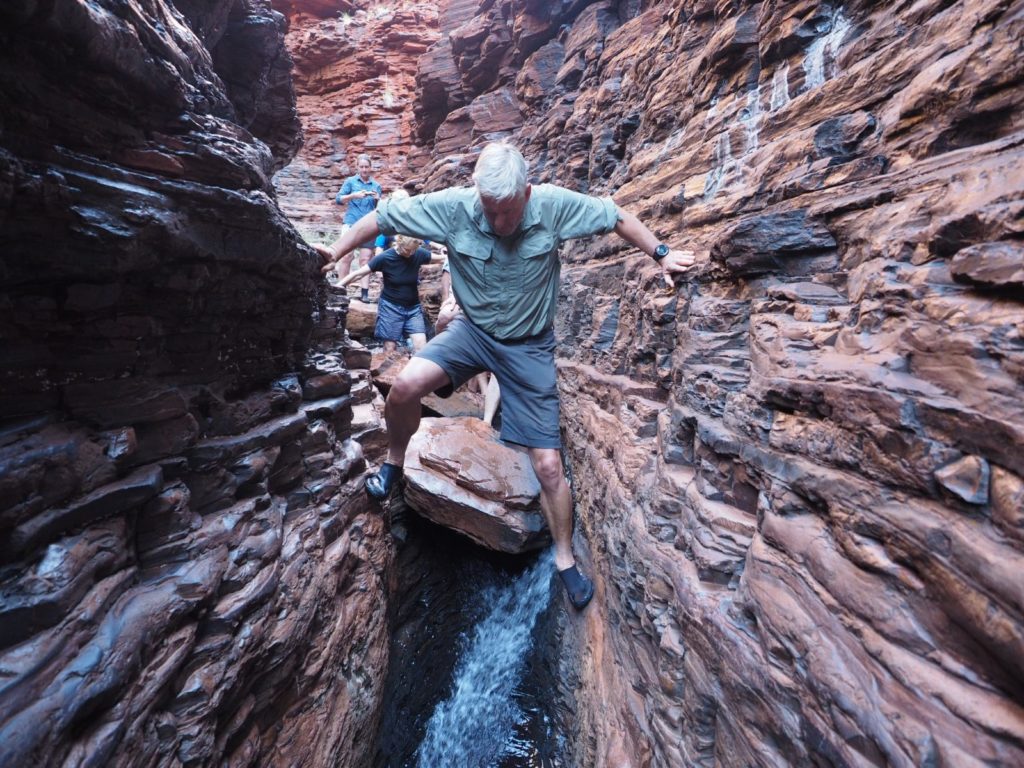
Most of the Karijini National Park walks aren’t massive in distance, but don’t let that fool you — they can still be tough. Most trails dip in and out of gorges, which means you’ll be clambering over rocks, balancing along uneven edges, and sometimes wading through water. It’s less about cardio fitness and more about agility, coordination, and being comfortable with a bit of scrambling.
Expect to cross slippery rocks and shallow streams, so shoes that can get wet (or sturdy sandals) are essential. A good pair of hiking boots with grip will save your ankles, and walking poles can make a huge difference on the more rugged tracks. Your knees will thank you after a full day of exploring.
Some of the best-known Karijini gorge walks — like Hancock Gorge, Weano Gorge, or Knox Gorge — involve negotiating narrow ledges and steep descents, which can feel a little exposed. The Mt Bruce hike (WA’s second-highest mountain) is also spectacular but includes tricky rocky sections and isn’t ideal for anyone with a fear of heights.
The good news is that most trails are out-and-back, so you can always turn around when you’ve had enough. Even walking just part of a gorge is rewarding — you’ll still see waterfalls, towering red rock walls, and those brilliant turquoise pools.
Safety and final thoughts
Karijini National Park is absolutely incredible, but it’s also a place where you need to respect the environment. The gorges can be steep, slippery, and unpredictable, and there are clear signs showing where not to go. Take them seriously — every year, people end up needing rescues after pushing beyond their limits or ignoring warnings. Knowing your ability and sticking to walks you’re comfortable with is the best way to stay safe.
That said, with a little preparation — carrying enough water, wearing the right shoes, checking conditions, and paying attention to safety signs — Karijini is one of the most rewarding walking destinations in Australia. From epic outback scenery to icy plunge pools and red-rock gorges carved over millions of years, it’s the kind of place that leaves a lasting impression.
So pack wisely, tread carefully, and take your time soaking it all in. Karijini is a once-in-a-lifetime adventure that will stay with you long after you’ve brushed off the red dust… just don’t forget that fly net!
Karijini National Park Essentials Checklist
If you’re planning a trip to Karijini, here are a few must-haves to make sure you’re safe and comfortable:
-
Water – Always carry at least 2–3 litres per person, more if you’re tackling exposed hikes like Mt Bruce.
-
Footwear – Sturdy hiking boots or trail shoes with good grip. Pack sandals or reef shoes for wading through gorge pools.
-
Clothing – Lightweight layers for the hot days, warm clothes (including thermals) for chilly nights, and a rain jacket in the wet season.
-
Fly net & insect repellent – Trust us, you’ll thank yourself when the flies are out in force.
-
First aid kit – Include blister pads, antiseptic, and any personal medication.
-
Sun protection – A wide-brimmed hat, sunscreen, and sunglasses are non-negotiable under the Pilbara sun.
-
Navigation & communication – Maps, a GPS app, and be aware that mobile reception is patchy (Optus works at the Eco Retreat, Visitors Centre, and Dales Gorge; Telstra at Mt Bruce).
-
Food & supplies – Stock up before you arrive. There’s no supermarket in the park, and the Eco Retreat restaurant is your only dining option.
-
Camping gear (if staying at Dales Gorge campground) – Tent, sleeping bag (warm for winter!), and cooking equipment.
-
Camera – Because you’ll want to capture those incredible red cliffs, waterfalls, and outback sunsets.
With these basics sorted, you’ll be ready to experience Karijini National Park safely and really enjoy everything this rugged outback wonder has to offer.
Ready to explore Karijini the easy way?
Join our guided Karijini walking tour and experience the best gorges, waterfalls, and trails without the hassle of planning. With all logistics covered — from park passes and transport to meals and accommodation — you can focus on the adventure.
Check out our Karijini National Park and Ningaloo Reef tour here
Adam – IO Guide
I’ve guided walking tours all across Western Australia, from the red gorges of Karijini to the white sands of Cape Le Grand. With years of experience in the field, I love helping travellers discover WA’s remote beauty on foot — one step at a time.