Wildlife Wonders of Kangaroo Island
Posted on
Kangaroo Island is a haven for native Australian wildlife, thanks to its long isolation from the mainland and relatively recent European settlement. This natural separation has allowed unique ecosystems to flourish, creating one of the most rewarding wildlife destinations in Australia. For nature lovers and curious travellers alike, the island offers incredible opportunities to see animals in their natural environment—roaming free, undisturbed, and often just steps from the trail.
Spanning over 4,400 square kilometres, Kangaroo Island’s landscape is wonderfully varied. Think rugged coastlines with sweeping ocean views, tranquil bushland filled with native flora, and open paddocks bordered by thick native vegetation. This diversity of habitat supports a wide range of species, making wildlife encounters not only likely, but often effortless.
One of the best things about exploring Kangaroo Island is that these moments often happen organically—while you’re walking a quiet bush track or unwinding on a deck with a view. Guided experiences can enhance your chances, especially with local guides who know where and when to look, and who can share stories that deepen your connection to this place.
Spend a few days here and you’re likely to see kangaroos, wallabies, Cape Barren geese, koalas, dolphins, and New Zealand fur seals going about their daily routines. Join a guided walk and you might spot the endangered Australian sea-lion, the elusive Glossy Black-Cockatoo, or if you’re lucky, a Short-beaked Echidna or Rosenberg’s Goanna making a surprise appearance.
Preserving Kangaroo Island’s wildlife is a priority, with more than half the island still covered in native vegetation. There are over two dozen protected areas here, including 19 National and Conservation Parks and five Wilderness Protection Areas—each offering a safe refuge for the island’s animals, birds, and plants.
In the next section, we’ll introduce you to some of the iconic species you’re most likely to see during your Kangaroo Island adventure—especially if you know when and where to look.
Spotting the Glossy Black-Cockatoo on Kangaroo Island
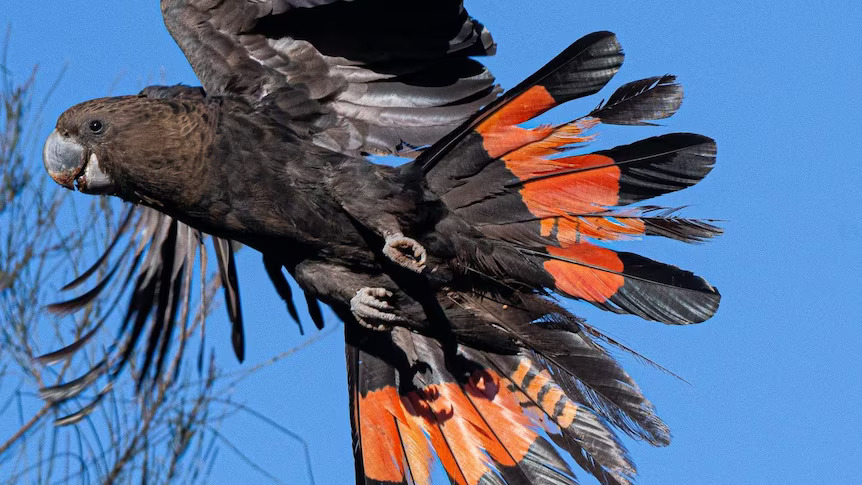
One of Kangaroo Island’s most remarkable and rare residents is the Glossy Black-Cockatoo—a critically endangered bird that exists nowhere else in this unique subspecies form. With its vibrant red tail feathers and quiet, watchful nature, this beautiful cockatoo is a sought-after sighting for visitors with an eye for wildlife.
Where You Might See Them
Glossy Black-Cockatoos feed during the day and return to their nesting hollows at dusk. If you’re walking through Casuarina (sheoak) woodlands, keep an eye on the forest floor—small piles of chewed cones are a telltale sign these birds are nearby. At dusk, they fly back to Sugar Gum forests, where they roost in natural tree hollows or man-made nesting boxes.
While the devastating 2019–2020 bushfires severely impacted their western habitats, many of the birds have now moved east. Some of the best spots to look for them include Baudin Conservation Park near Penneshaw and around American River. A quiet walk through these areas, especially with a knowledgeable local guide, can greatly increase your chances of spotting them.
As dusk falls, listen for their croaky, drawn-out call and look skyward for a flash of red as they come in to roost—it’s one of the more magical wildlife encounters Kangaroo Island has to offer.
Tips for Responsible Wildlife Viewing
Glossy Black-Cockatoos are naturally shy and sensitive to disturbance, particularly during nesting season. If you’re keen to spot them:
-
Find a quiet place in the sheoak forests and remain still.
-
Use binoculars rather than approaching.
-
At dusk, watch the treetops in Sugar Gum habitats and listen for their calls.
-
Always stay at least 30 metres away from nesting sites.
For the best viewing opportunities, consider joining a guided walk—local guides not only know the right spots but can offer deeper insight into conservation efforts and behaviour.
Why Kangaroo Island Matters to This Species
Kangaroo Island is home to the only subspecies of Glossy Black-Cockatoo found in South Australia. Years of habitat loss had pushed the population to fewer than 200 individuals by the mid-1990s. Thanks to ongoing conservation efforts—including nesting box programs and replanting of Drooping Sheoak—the population has now rebounded to around 450.
However, the 2019 bushfires destroyed a significant portion of their feeding habitat. With around 75% of the population previously living in fire-affected areas, efforts have now shifted to the island’s eastern regions, where new feeding and nesting sites are being supported.
What They Look Like
Glossy Black-Cockatoos are the smallest of Australia’s black cockatoo species, growing up to 48 cm tall. Males have a dark brown-black head and a bold red tail, while females display yellow splashes across the face and neck, and subtle barring on their tail feathers. They mate for life, nesting between January and September, with chicks remaining dependent on parents for up to a year.
Fascinating Fact
These cockatoos are extremely selective feeders—only eating the seed kernels from specific Drooping Sheoak cones. Research has shown that they choose trees based on soil type and the seed fill quality of the cones!
Meet the Tammar Wallaby: Kangaroo Island’s Most Common Marsupial

If you’re wandering Kangaroo Island in the early morning or evening, you’ve got a strong chance of spotting a Tammar Wallaby—one of the island’s most commonly seen native animals. These shy, small wallabies are crepuscular, meaning they’re most active during dawn and dusk. Catching sight of one feels like stumbling into a secret world of wildlife, just as the light begins to shift.
Best Places to Spot Them
Tammar Wallabies are abundant across Kangaroo Island, often seen grazing at the edge of bushland just before sunset or after sunrise. During the day, they remain tucked away in dense scrub and low-growing vegetation, emerging at twilight to feed in open grassy areas. While you might spot one darting across a quiet roadside, your best bet for a peaceful viewing experience is to head to spots like:
-
Vivonne Bay, near the campsites and down by the jetty
-
Along D’Estrees Bay Road, especially near Wheaton’s Beach in Cape Gantheaume Conservation Park
-
The quiet settlement at Nepean Bay, accessible via Western Cove Road
-
Baudin Conservation Park near Penneshaw
-
American River, along the scenic Cannery Walk
If you’re hoping for a closer look, find a spot near the bush edge and sit quietly as the light begins to fade—they’ll likely appear before long.
How to Observe Them Respectfully
Tammar Wallabies are incredibly shy, so patience and stillness are key. Sit a fair distance away, keep noise to a minimum, and avoid using bright lights or flashes that could startle them. If watching from a roadside, always park safely and stay aware of traffic. Their comfort in your presence often results in charming natural behaviours, from grooming to grazing.
Why They Matter on Kangaroo Island
Kangaroo Island is home to the largest remaining natural population of Tammar Wallabies in Australia. On the mainland, these wallabies have suffered due to habitat loss and the introduction of predators like foxes and feral cats. But on Kangaroo Island—where there are no foxes—they’ve not only survived, but thrived.
For wildlife lovers and photographers, this is a rare opportunity to witness a once-widespread species living freely in the wild.
What They Look Like
Tammar Wallabies are much smaller than kangaroos, standing about half a metre tall. They have a dark grey coat with reddish-brown highlights on their limbs and flanks, and a distinctive white stripe along their cheeks. They live in small, stable groups for safety, and can adapt to a range of environments including coastal shrubland, mallee, dry forests, and woodland thickets.
They’re herbivores, feeding on native grasses, herbs, and shrubs. Joeys are usually born in late January or early February, but only start peeking out of the pouch during early winter, gradually weaning at around ten to eleven months.
Fun Fact
Tammar Wallabies are one of the few mammals that can drink seawater—an incredible adaptation that helps them survive in Australia’s dry conditions. They also have colour vision in the blue and green spectrum, which is rare among marsupials.
Meet the Kangaroo Island Kangaroo: The Iconic Namesake of the Island
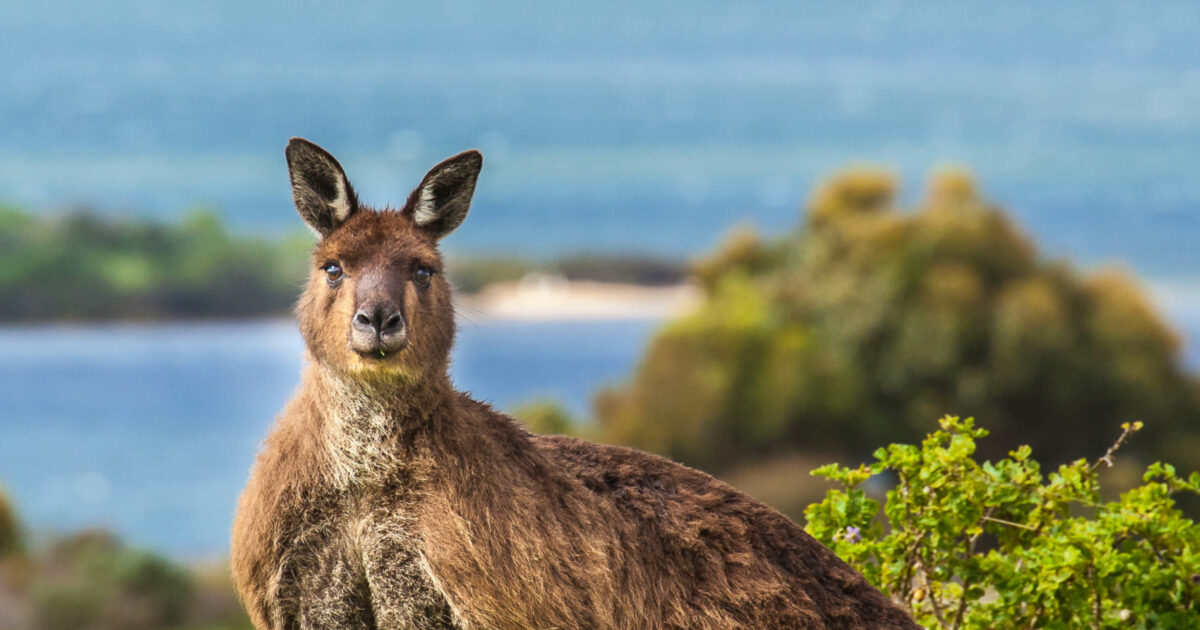
When visiting Kangaroo Island, spotting its namesake marsupial is almost a guarantee. The Kangaroo Island Kangaroo is a unique subspecies of the Western Grey Kangaroo, found only on the island. With their rich, dark fur and calm temperament, these kangaroos are one of the island’s most iconic and frequently seen native animals.
Where to Spot Them
Although they are mostly active from dusk till dawn, Kangaroo Island kangaroos can often be seen grazing during the day, particularly in cooler months. You’re most likely to see them on open grasslands near bush corridors, or even alongside quiet country roads. For the best chance at a relaxed, respectful sighting, try these spots:
-
Hog Bay Road, between Prospect Hill and Baudin Beach – look out for them in the paddocks; park safely off the road and observe from a distance.
-
Stokes Bay – kangaroos are often seen near the grassy flats around the beach carpark or grazing on nearby hills.
They’re also commonly encountered while driving, especially at dawn and dusk, so keep an eye out during twilight hours to avoid any close calls on the road.
How to Watch Them Responsibly
These kangaroos tend to be shy around humans, but with a little patience and a quiet approach, you can observe them behaving naturally. Find a spot with some cover and stay still — you might be rewarded with a view of them grazing, grooming, or bounding across a paddock.
They rest during the heat of the day in shady areas and are most active in the cooler parts of the day. Remember: adult males can become defensive if they feel threatened, so always maintain a safe and respectful distance.
A Unique Species Found Nowhere Else
The Kangaroo Island Kangaroo is more than just a namesake — it’s a species found nowhere else on earth. Over thousands of years of isolation from mainland Australia, these kangaroos have evolved differently from their cousins, developing darker, chocolate-brown coats and a shorter, more compact build.
They thrive in a wide range of habitats across the island — from open woodland and native scrubland to coastal heath and grassy pastures. Unlike many other wildlife species in Australia, the Kangaroo Island Kangaroo has remained abundant, thanks in part to the absence of predators like foxes on the island.
What They Look Like
Smaller and stockier than mainland species, adult males can grow to 1.4 metres tall, while females tend to reach around 1.2 metres. Their strong hind legs allow them to leap up to 12 metres in a single bound and reach speeds of up to 60 km/h when they need to move fast.
These herbivores feed on a mix of grasses and shrubs and are highly adapted to Kangaroo Island’s climate — they require very little water, making them well-suited to the environment. Kangaroos live in social groups known as “mobs”, usually led by a dominant male. During the breeding season, particularly in summer, it’s not uncommon to witness dramatic sparring matches as males compete for leadership — a sight worth seeing (from a safe distance!).
Did You Know?
Kangaroos can’t easily move backwards. Their muscular hind legs and thick tail structure make it difficult for them to reverse, but they’re masters of quick turns and agile retreats.
Short-beaked Echidna: A Spiny Surprise on Kangaroo Island
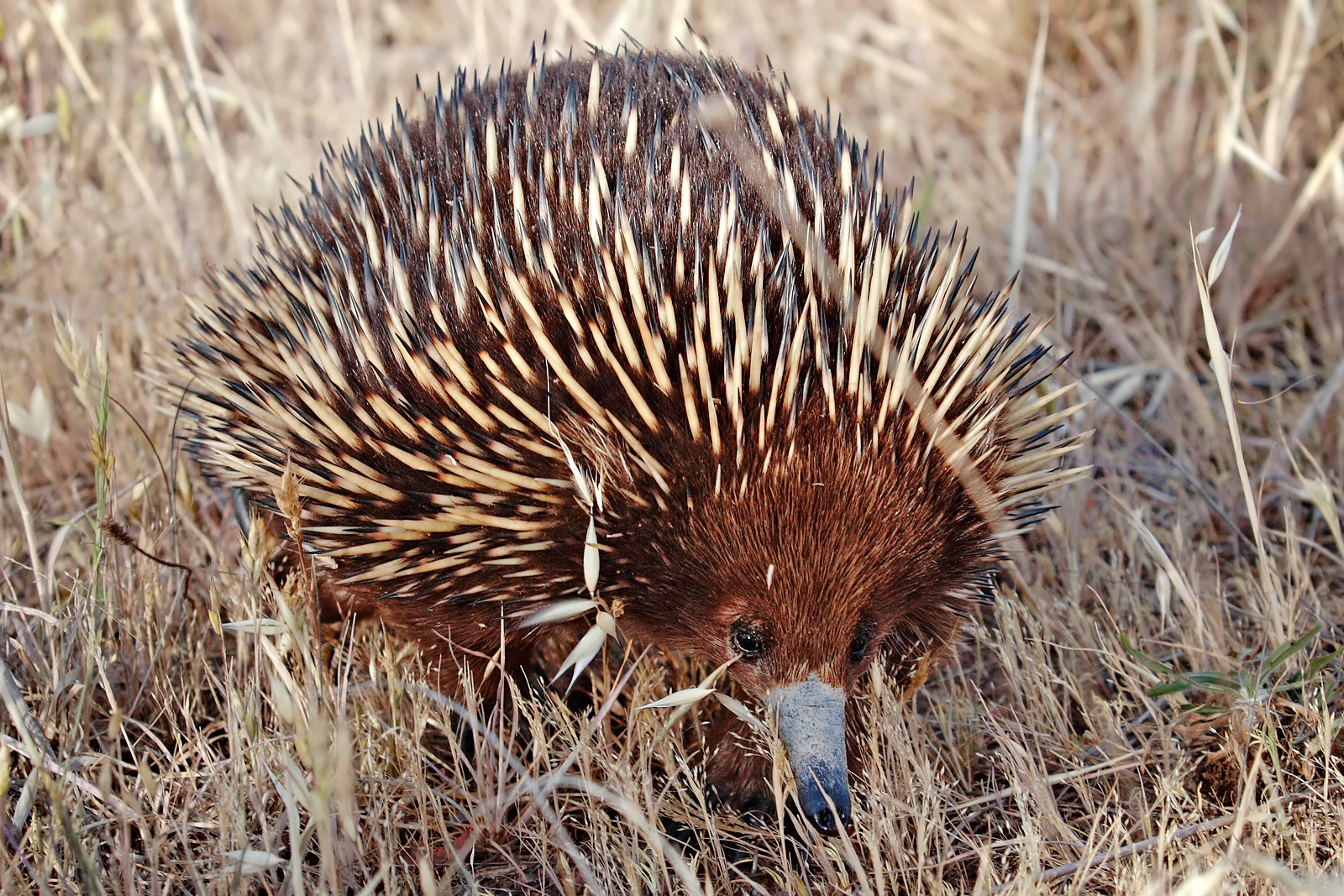
If you’re lucky enough to spot one, the Short-beaked Echidna is one of Kangaroo Island’s most intriguing native animals. These shy, spiny mammals are expert foragers and a delight to encounter — especially if you enjoy slow, quiet wildlife moments while exploring the island’s walking trails or bushland.
Where to See Echidnas on Kangaroo Island
Short-beaked Echidnas are found all across Kangaroo Island and inhabit a range of environments — from eucalyptus forests and mallee scrub to coastal areas and heathland. Although relatively common, sightings often come as a surprise, as they tend to travel solo and are well-camouflaged in the undergrowth.
You might stumble upon one waddling across a walking track or road, especially during the cooler months. During the breeding season (May to September), keep your eyes peeled for an unusual sight: echidna trains — with up to six males slowly following a single female, each hoping to be the chosen mate.
How to Spot Them (Without Scaring Them Off)
Echidnas have a keen sense of smell and exceptional hearing. If startled, they’ll freeze, curl into a ball, and attempt to bury themselves into the ground or under leaves. To improve your chances of seeing one in action, stay very still, keep your distance, and wait patiently. If you’re lucky, they’ll unroll and resume their slow shuffle, giving you a rare glimpse into their foraging behaviour.
Pro tip: The best encounters happen when you’re moving slowly and quietly — just as you would on one of our Kangaroo Island guided walks.
Why They Matter on Kangaroo Island
Kangaroo Island is home to a unique subspecies of the Short-beaked Echidna, slightly different to those found on mainland Australia. The island’s intact ecosystems and relatively low number of predators make it an ideal refuge, although threats like feral cats, goannas, and road traffic still pose risks.
While echidnas are widespread, exact population numbers on Kangaroo Island are unknown — which makes every sighting special. Their continued presence is a good sign of healthy habitat, particularly in areas with thick vegetation and deep leaf litter.
What They Look Like
Echidnas are compact and covered in protective spines. Their long, narrow snout is equipped with a sticky tongue used to lap up ants, termites, grubs, and beetles — their favourite foods. They use their powerful claws to dig through logs, bark, and soil in search of insects.
Unusually for a mammal, echidnas lay eggs! They’re one of only two monotremes in the world (alongside the platypus). Females lay a single soft-shelled egg and tuck it into a pouch, where it hatches after 10 days. The hatchling, called a puggle, stays in the pouch for several weeks before transitioning to a burrow.
Echidnas are often seen exploring bushland, coastal tracks, and even crossing farmland, so it’s important to drive carefully, particularly in quiet or vegetated areas.
Did You Know?
-
A baby echidna is called a puggle
-
Echidnas lay eggs but produce milk, making them a rare blend of reptilian and mammalian traits
-
Their hind feet point backwards, a helpful adaptation for digging
Bottlenose Dolphins on Kangaroo Island: Coastal Encounters with Curious Marine Locals
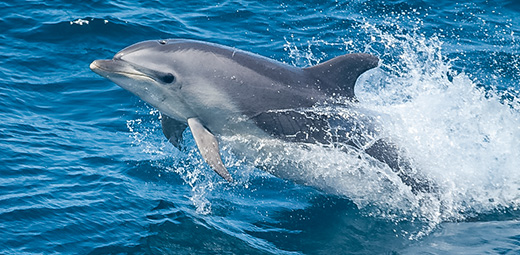
If you’re heading to Kangaroo Island and love wildlife, keep your eyes on the water — the island is one of the best places in South Australia to spot Bottlenose Dolphins in the wild. These intelligent and sociable marine mammals are frequently seen cruising just offshore, particularly along the calmer northern and eastern coastlines.
Where to Spot Bottlenose Dolphins Around Kangaroo Island
You can often see pods of dolphins from the shore, gliding along the “blue line” close to the beach or playing in the waves. Look out from places like Emu Bay, Penneshaw, and Dashwood Bay, where resident pods are regularly sighted. Hog Bay and North Cape are also reliable spots. On a calm day, you might even catch a pod of dolphins surfing the waves or riding the boat wakes near the coast.
For a more immersive wildlife experience, consider joining a marine wildlife tour — you’ll have a great chance of seeing Bottlenose Dolphins up close, sometimes even swimming alongside the boat. These encounters offer not just amazing views but also expert insights into the marine life of Kangaroo Island.
How to See Them Respectfully
Bottlenose Dolphins are known for their curiosity and playfulness. On boat tours, they’ll often approach the vessel, swimming along the bow or surfing in the wake. While it can be thrilling to see them so close, it’s essential to observe from a safe and respectful distance. Join a reputable tour operator that prioritises marine conservation and follows local wildlife guidelines.
Swimming near dolphins (under permitted tours) is a truly memorable experience, giving you a glimpse into their world — but it should always be done under the guidance of professionals who ensure both human and animal safety.
Why Kangaroo Island Matters for Dolphin Conservation
Kangaroo Island is an important habitat for Bottlenose Dolphins, supporting several resident pods. The waters surrounding the island are monitored by Dolphin Watch Kangaroo Island, a volunteer-run citizen science program that has tracked local dolphin populations since 2005. Using photos of dorsal fins and body markings, researchers can identify individual dolphins, helping to build a long-term understanding of their movements, behaviours, and habitat use.
This makes Kangaroo Island not just a great place to view dolphins — but also a valuable location for marine science and conservation.
What Do Bottlenose Dolphins Look Like?
Bottlenose Dolphins are sleek and powerful swimmers. They range from 2 to 4 metres in length, with streamlined grey bodies and lighter undersides. Their distinctive bottle-shaped snout gives them their name, and their curved mouths give the impression of a permanent smile.
You’ll likely see them breaching (leaping out of the water), diving, or cruising in pods along the coast. These dolphins are carnivores, feeding mostly on fish, squid, and crustaceans found in the seagrass meadows and sandy seabeds around the island.
Social Creatures of the Sea
Dolphins are incredibly social, living in pods that work together to hunt, protect their young, and play. On Kangaroo Island, groups of up to 80 individuals have been spotted, especially along the north coast. Calves (baby dolphins) are usually born in late summer and can be seen year-round as they nurse for up to 18 months.
Did You Know?
-
Bottlenose Dolphins can swim at speeds over 30 km/h and dive to depths of 250 metres
-
They use echolocation (a series of clicks and echoes) to find food, navigate, and communicate with one another — like having built-in sonar!
-
Dolphins are most active during early mornings and late afternoons, but you can see them at almost any time of day if conditions are calm
Australian Sea-lions at Kangaroo Island’s Seal Bay: A Close-Up with One of the World’s Rarest Seals
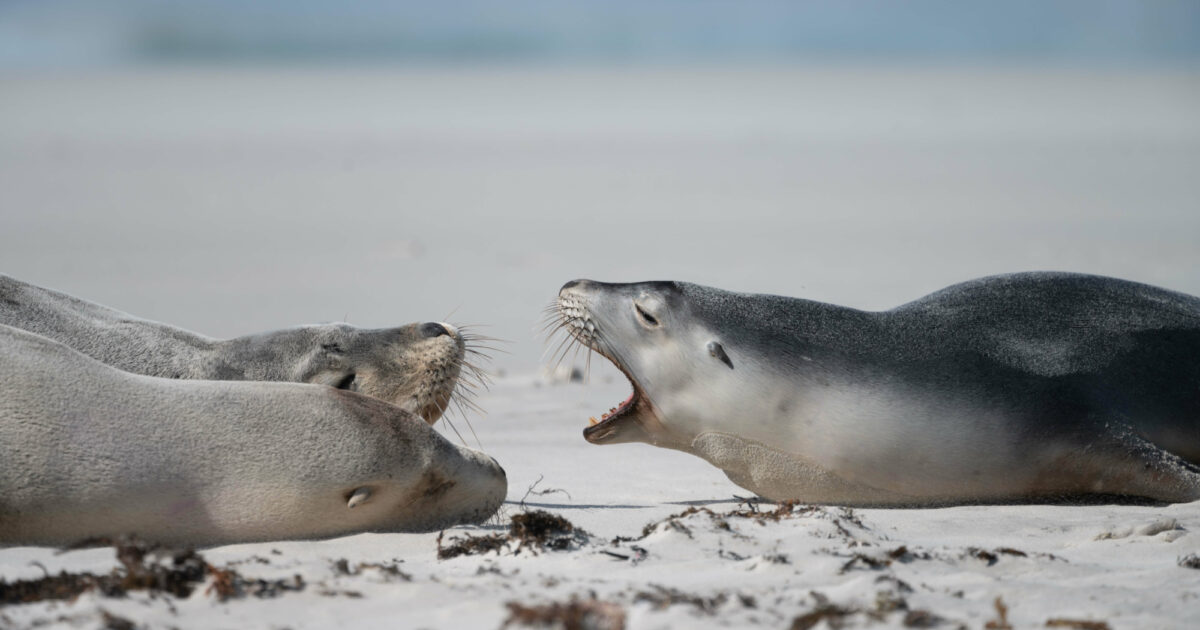
If you’re visiting Kangaroo Island and hoping for a wildlife encounter that’s as close as it gets — Seal Bay Conservation Park is a must. This stunning stretch of southern coastline is home to a thriving population of Australian Sea-lions, one of the rarest seal species in the world. In fact, Seal Bay is the third largest colony globally, and around 5% of the entire species is found right here on Kangaroo Island.
Where to See Australian Sea-lions on Kangaroo Island
The best place to see Australian Sea-lions up close is at Seal Bay, located along the island’s southern coast. Here, a colony of around 800 sea-lions haul out onto the beach to rest after lengthy fishing trips at sea. With its white sand, undulating dunes, and clear coastal air, this location offers not only a beautiful landscape but a rare opportunity to see these endangered marine mammals in their natural environment.
How to Watch Them Responsibly
Seal Bay is one of the few places in the world where you can walk among a sea-lion colony, guided by a local wildlife expert. Guided tours take visitors directly onto the beach, offering an unforgettable, low-impact way to observe the animals. Alternatively, for a quieter experience, a self-guided boardwalk meanders through the dunes to several viewing platforms — all fully accessible and designed to protect both visitors and sea-lions.
During your visit, you might see juvenile sea-lions play-fighting, pups resting beside their mothers, or adult males (known as bulls) sunbathing after days spent diving and fishing offshore.
Why Kangaroo Island Matters for Sea-lion Conservation
Kangaroo Island plays a crucial role in the survival of this endangered species. Following near extinction during the 19th-century fur trade, the population is still recovering. Seal Bay’s protected status is vital for these sea-lions to continue breeding, resting, and feeding safely. It is one of Australia’s most significant conservation sites for marine wildlife.
What Do Australian Sea-lions Look Like?
Australian Sea-lions are part of the “eared seal” family, meaning they have external ears and can use all four flippers to walk on land — a sight that’s both endearing and impressive.
-
Males are large and dark brown, with a creamy-coloured mane around the neck and can weigh up to 250 kg.
-
Females and juveniles are more slender, with silver-grey backs and creamy undersides.
-
You may see males sparring for dominance — a natural behaviour as they compete for territory and breeding rights.
These carnivores feed on a mix of fish, squid, octopus, cuttlefish, and small crabs, diving to incredible depths of up to 275 metres. After about three days of solo fishing offshore, they return to the beach to rest.
An Unusual Breeding Cycle
Unlike many animals, Australian Sea-lions don’t follow a strict seasonal breeding pattern. Instead, they breed roughly every 18 months — and each colony breeds at slightly different times. This extended cycle makes their recovery slow, with mothers nursing their pups for around 18 months, and then continuing to teach them to hunt for another year. Remarkably, female sea-lions always return to breed in the exact colony where they were born.
Did You Know?
-
Australian Sea-lions are exclusive to southern and western Australia, making Kangaroo Island one of the few places in the world where you can see them.
-
Pups are nursed for up to 18 months, far longer than many other marine mammals.
-
Juveniles often mimic adults and engage in practice fights, helping them prepare for the battles they’ll face later in life.
Koalas on Kangaroo Island: Where to Spot Them in the Wild
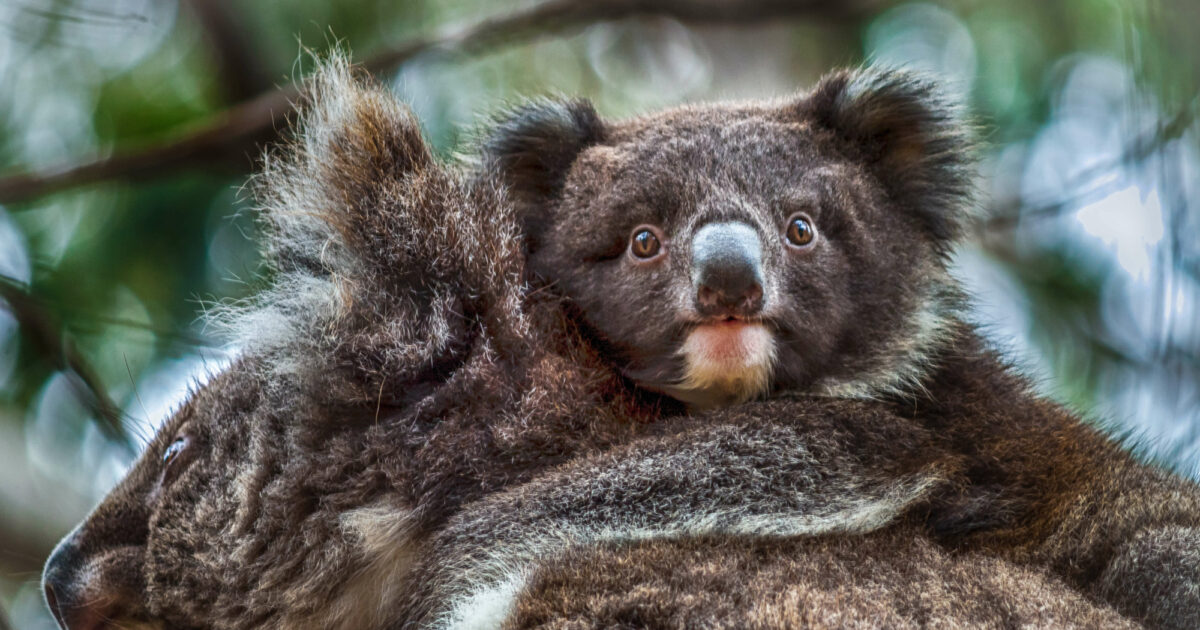
No Australian wildlife encounter feels quite as iconic as spotting a koala high in a gum tree, and on Kangaroo Island, there are plenty of opportunities to do just that. Although they’re not originally native to the island, koalas have become a familiar — and often photographed — part of the local ecosystem.
Where to See Koalas on Kangaroo Island
Koalas are mostly active in the early evening and around dusk, spending much of the day resting in the crooks of tree branches. You’re most likely to find them snoozing in the forks of tall eucalyptus trees, or if you’re lucky, watch them slowly moving from branch to branch in search of fresh leaves.
While they’re not found on the Dudley Peninsula, koalas are widespread elsewhere on Kangaroo Island — especially in areas with manna gum, river red gum, stringy bark, and blue gum. Great spots to visit include:
-
The Cygnet River walking trail at Duck Lagoon (via Kookaburra Road)
-
The grounds of Kangaroo Island Wildlife Park
-
Anywhere you’re walking in native eucalypt forest
Often, koalas appear unexpectedly — a grey ball nestled in a treetop, spotted during a quiet bushwalk.
How to Watch Them
Koalas sleep for around 18 to 20 hours a day, so it’s common to see them curled up and motionless. When they do stir, it’s usually to eat, groom, or slowly move about their tree. During the breeding season (October to May), you may hear the deep, rumbling bellow of a male echoing through the trees. It’s an unmistakable and surprising sound from such a relaxed animal!
If you spot a koala, stay a respectful distance away — they’re generally unfazed by visitors but can become stressed or aggressive if approached too closely. Quietly observe them from below to enjoy their tree-top world without interrupting their rest.
Why Are Koalas on Kangaroo Island?
Interestingly, koalas aren’t native to Kangaroo Island. They were introduced in the 1920s as part of a conservation effort to protect the species from population declines on mainland Australia due to habitat loss and hunting.
Since then, the population has flourished. In fact, koalas became so numerous on the island that they started to overbrowse some species of eucalypts — particularly in the western regions. This led to the creation of a Koala Management Program, which has helped balance population growth and protect vital tree habitats.
While the devastating 2019–2020 bushfires significantly impacted koala numbers and their preferred habitat, recovery efforts continue, and koalas remain a much-loved part of the island’s wildlife scene.
What Do Kangaroo Island Koalas Look Like?
Kangaroo Island koalas differ slightly from their Queensland and New South Wales relatives. They tend to have larger body sizes, fluffier ears, and longer, shaggier fur, helping them stay warm in cooler climates.
-
Males can weigh up to 15kg
-
Females generally weigh up to 11kg
-
Koalas feed exclusively on select eucalypt leaves, consuming up to 1kg a day
-
Their strong arms and razor-sharp claws make them expert climbers
During spring and summer, keep an eye out for joeys riding on their mothers’ backs — a truly heart-warming sight!
Did You Know?
Koalas are one of the few animals able to survive on a diet made almost entirely of eucalyptus leaves, which are low in nutrients and toxic to most other creatures. Koalas have a highly specialised digestive system that detoxifies these leaves — but it takes a lot of energy, which is why they rest for most of the day.
Rosenberg’s Goanna: Kangaroo Island’s Elusive Bush Predator
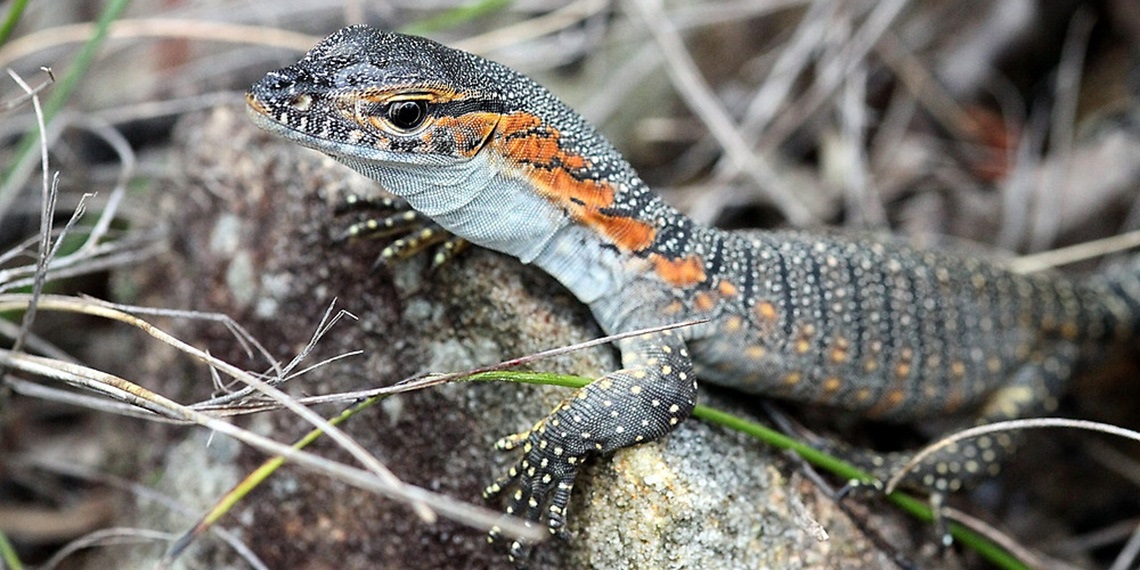
Rosenberg’s Goanna is one of Kangaroo Island’s most fascinating and stealthy wildlife species. As the island’s largest native land predator, this striking monitor lizard plays an important role in the local ecosystem — yet it’s also an increasingly rare sight on the mainland. Kangaroo Island remains one of the last strongholds for this remarkable reptile.
Where to Spot a Rosenberg’s Goanna
These reptiles are most active during the day and tend to disappear into burrows by evening. Being cold-blooded, they often sun themselves to warm up before heading off to hunt. You might come across one as you’re hiking along some of the island’s best walking trails.
Rosenberg’s Goannas can be seen across many habitats on Kangaroo Island — from dense bushland to open coastal regions. Some top locations where sightings are more likely include:
-
Baudin Conservation Park
-
Beyeria Conservation Park
-
Murray Lagoon
-
Stokes Bay, Vivonne Bay, Pennington Bay and D’Estrees Bay
You’ll also often see them by the roadside — sadly, this also poses a risk, as roadkill draws them in and makes them vulnerable to vehicle strikes. If you do stop to observe one near the road, make sure to park safely and stay well clear of traffic.
Best Way to Watch Them in the Wild
Spotting a Rosenberg’s Goanna is usually a lucky encounter. Despite their size — adults can reach up to 1.5 metres — they are excellent at blending in and can vanish into the undergrowth in seconds.
If you do get the chance to see one, keep your distance (at least 20 metres). They spook easily and will dart off if they sense a disturbance. Staying quiet and still will give you a better chance of observing them naturally — as they forage or bask in the sun.
Why Kangaroo Island Matters for Rosenberg’s Goannas
Kangaroo Island offers a refuge for Rosenberg’s Goannas, which are now considered vulnerable in South Australia. Changes to land use, the presence of feral cats and pigs, and increased traffic have caused population declines, even on the island. This makes Kangaroo Island one of the last places in Australia where they can be seen regularly in the wild — though even here, conservation efforts are essential.
What Do Rosenberg’s Goannas Look Like?
Rosenberg’s Goannas are impressive lizards, with a long muscular body covered in black-grey scales finely spotted with yellow or white. Their curved claws and strong limbs make them agile climbers and powerful diggers. A long, whip-like tail helps with balance and defence, while their backwards-curved teeth are designed to grip prey securely.
-
Size: Up to 1.5 metres long
-
Diet: Opportunistic predators, they eat everything from insects and spiders to frogs, snakes, small birds and mammals. They’re also known to scavenge carrion.
-
Breeding: Eggs are laid inside termite mounds during summer. These mounds act as natural incubators — regulating temperature and humidity. The hatchlings emerge in spring, often in September or October.
Incredibly, both male and female goannas have been observed guarding the termite mound after laying eggs, ensuring it’s sealed and protected from predators — a rare trait among reptiles.
Did You Know?
Rosenberg’s Goannas are among the few Australian reptiles known to cooperate post-laying. Once the female deposits her eggs inside a termite mound, both parents may remain nearby until the termites rebuild the mound — effectively sealing and safeguarding the eggs until they hatch months later.
Cape Barren Goose: One of Kangaroo Island’s Most Striking Birds
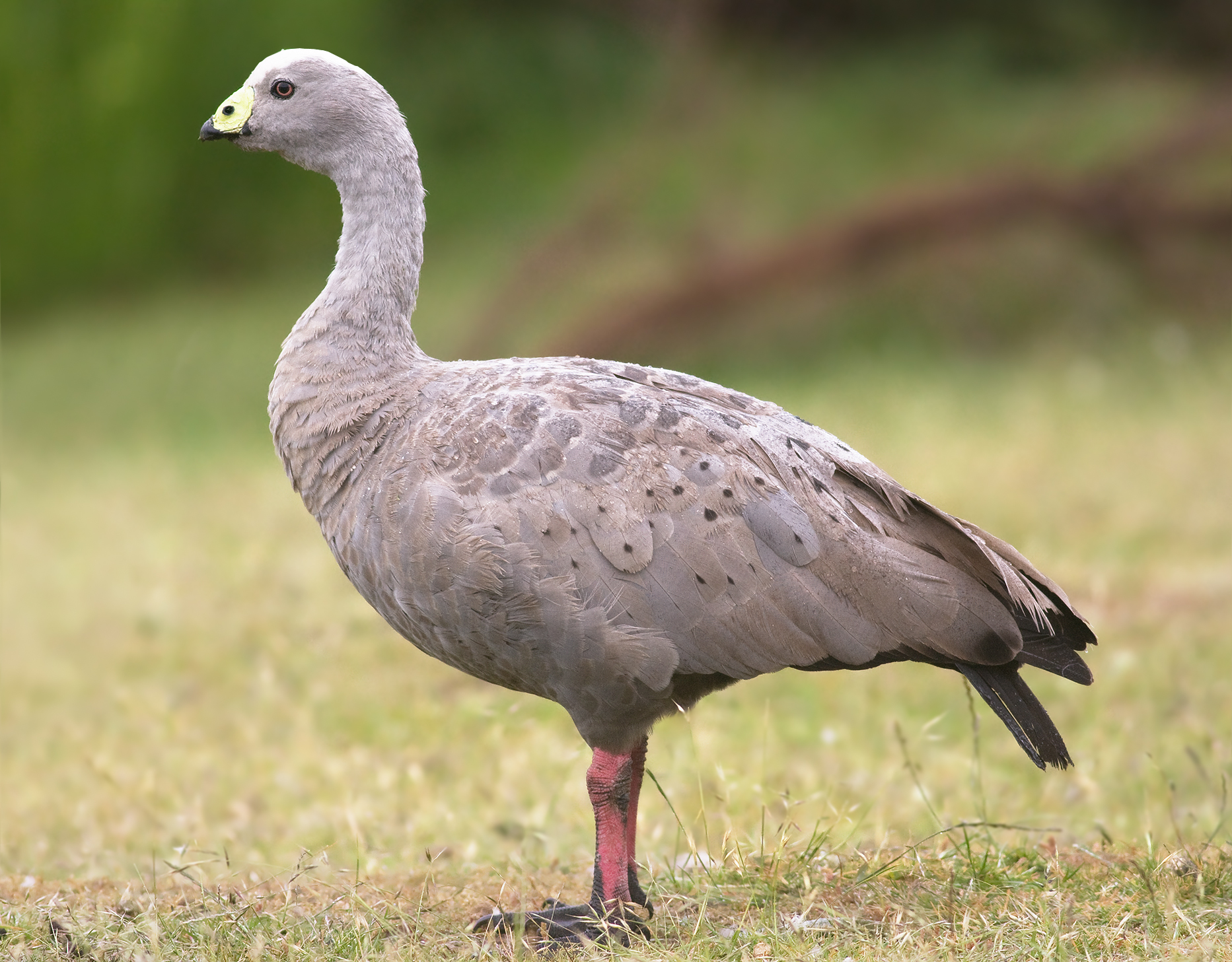
The Cape Barren Goose may not be the most famous of Kangaroo Island’s residents, but it’s certainly one of the most unique. With its grey plumage, vivid lime-green bill and pink legs, this rare bird stands out — especially when seen grazing quietly across the island’s coastal plains and salt pans.
Where to Spot Cape Barren Geese on Kangaroo Island
The best time to view Cape Barren Geese is from autumn through early spring, before they fly back to mainland Australia. You’ll often find them in pairs or small groups across open paddocks and coastal wetlands.
Top locations for sightings include:
-
The grassy plains near Black Swamp and Flinders Chase National Park, where they nest
-
Murray Lagoon, via Seagers Road, another key breeding and grazing area
-
The Wisanger salt pans, where geese can be seen foraging through the paddocks
These habitats give you a great chance of spotting this elegant bird in the wild.
Watching Cape Barren Geese Respectfully
Cape Barren Geese are shy and easily startled, so it’s best to view them from a respectful distance — around 20 to 30 metres is ideal. Look for them grazing in open pastures or tucked into native iris tussocks during nesting season. If they appear agitated or stop feeding, quietly step back to avoid disturbing them, especially when goslings are present.
Why Kangaroo Island Matters for Cape Barren Geese
These geese are found only in Australia and were once dangerously close to extinction due to overhunting in the 1900s. Thanks to conservation efforts, the species has made a comeback, and the Kangaroo Island population is now considered healthy and stable. While not native to the island, they’ve established themselves well here — adding to the rich birdlife that Kangaroo Island is known for.
What Do They Look Like?
Cape Barren Geese are large and distinctive, growing up to 85cm tall with a wingspan that can reach 1.7 metres. Their pale grey feathers are flecked with black markings near the wings and tail, and their vivid green-yellow cere above the bill makes them unmistakable. Pink legs and black feet round out their striking appearance.
These geese mate for life, and you’ll often see pairs feeding or tending to goslings in the grasslands during spring. Nests are built directly on the ground — usually in grassy tussocks or open pasture — and fiercely guarded by both parents.
Their diet includes native grasses, herbs and succulents, but they also graze happily on agricultural pastures like barley and clover. They’re highly adaptable, even capable of drinking salty and brackish water, which means they can thrive on offshore islands year-round — a rare trait for waterbirds.
Did You Know?
Cape Barren Geese can drink salt water! This unique ability allows them to inhabit coastal and island environments where fresh water isn’t always available.
Platypus on Kangaroo Island: The Island’s Most Elusive Swimmer
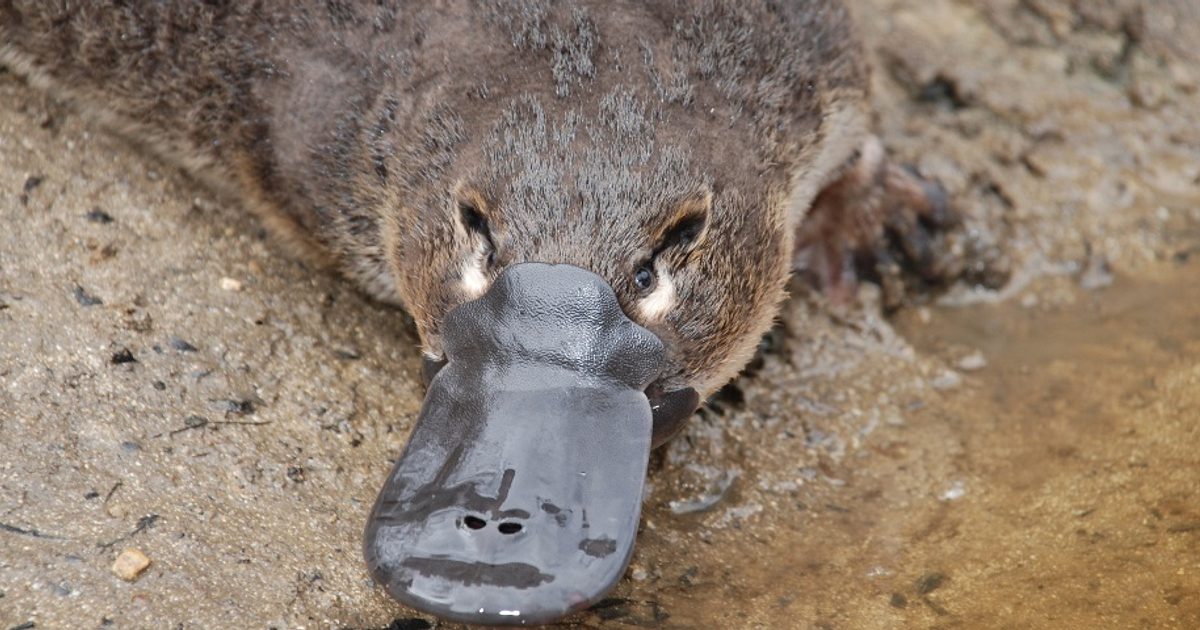
Spotting a Platypus in the wild is a rare treat anywhere in Australia — but on Kangaroo Island, it’s even more special. This shy, nocturnal creature is one of the most elusive animals on the island and holds a unique place in its conservation story.
Where to Find Platypus on Kangaroo Island
The best chance of seeing a Platypus on Kangaroo Island is at dawn or dusk, when they are actively foraging. They swim with a smooth, gliding motion, occasionally diving in a gentle roll as they hunt for food. Quiet freshwater pools and streams — particularly in Flinders Chase National Park — are your best bet. Patient visitors who sit quietly by the water’s edge may be rewarded with a glimpse of this fascinating monotreme as it surfaces for air or floats lazily between dives.
A Special Conservation Story
While Platypus are not native to Kangaroo Island, they’ve played a key part in the island’s conservation history. In the 1920s, a small group was introduced into Flinders Chase National Park as a safeguard for the species, which was in serious decline on mainland South Australia at the time.
Today, Kangaroo Island is the only place in South Australia where Platypus still live in the wild. Their presence here is a testament to the foresight of early conservationists and the resilience of the island’s protected ecosystems.
How to Watch a Platypus (If You’re Lucky!)
Platypus are incredibly shy and solitary, so spotting one requires stillness and patience. Find a quiet spot near a known waterhole, such as Rocky River or creeks within Flinders Chase, and settle in during the twilight hours. Look for bubbles or gentle ripples on the surface of the water — a tell-tale sign that a Platypus may be diving below.
Avoid loud noises and sudden movements, and be prepared to wait. Even if you don’t spot one, the tranquillity of the experience is worth it.
What Do Platypus Look Like?
Platypus are one of Australia’s most unusual animals. About the size of a small cat, they have a distinctive duck-like bill, webbed feet, and a broad flat tail used for steering through the water. Their dense brown fur keeps them warm and waterproof, perfect for long hours spent foraging in cool streams.
They use their sensitive bill to detect electrical signals from underwater prey — a clever adaptation that makes them formidable hunters, despite being blind underwater.
Diet and Habitat
Carnivorous by nature, Platypus feed on worms, insect larvae, yabbies, small fish, and aquatic insects. They can spend up to 12 hours per day foraging underwater, using their webbed front paws to scoop through silt and debris for food.
They build burrows along the banks of freshwater streams, nesting in soil, under vegetation, or even within fallen logs and debris. Clean, undisturbed water sources are essential to their survival, making Flinders Chase National Park an ideal sanctuary.
Did You Know?
Platypus are part of a rare group of mammals called monotremes, meaning they lay eggs but still nurse their young. The only other monotreme is the echidna — also commonly seen on Kangaroo Island.
The Kangaroo Island Dunnart: One of Australia’s Rarest Marsupials

Tiny, elusive, and critically endangered, the Kangaroo Island Dunnart is one of the most vulnerable native species found on the island. This mouse-sized marsupial is found nowhere else on Earth, and although rarely seen, its story has become a powerful symbol of the island’s ongoing conservation efforts.
Why the Dunnart Matters to Kangaroo Island
This endangered marsupial lives only on the western end of Kangaroo Island, mostly in remote pockets of native bushland. Tragically, the 2019–2020 bushfires devastated around 96% of its known habitat, placing it at extreme risk of extinction. Today, it’s estimated that fewer than 500 individuals remain in the wild.
In response, the Kangaroo Island Landscape Board, in collaboration with national parks and conservation groups, has launched an intensive recovery program. Their mission is to better understand this elusive species’ habitat needs, reduce threats like feral predators, and protect the few remaining safe zones.
What Does a Kangaroo Island Dunnart Look Like?
Dunnarts may resemble mice, but they are actually carnivorous marsupials, more closely related to quolls and Tasmanian devils than rodents. The Kangaroo Island Dunnart has:
-
A slender, pointed nose, ideal for sniffing out prey
-
Large ears and bright eyes
-
Soft grey fur, darker on the back and lighter on the belly
-
A thin tail and pale feet
Tiny in size, adult females weigh around 10–15 grams (less than a 50 cent coin!), while males can weigh up to 25 grams.
Where Do They Live?
These shy creatures shelter in grass trees, leaf litter, and underground burrows, and prefer areas of long-unburnt mallee or woodland. Their survival is tightly linked to the health of Kangaroo Island’s native vegetation. As insectivores, they feed mainly on spiders, beetles, ants, and other invertebrates, foraging under cover at night.
Unfortunately, their preference for secluded, undisturbed bushland also makes them especially vulnerable to habitat loss, wildfires, and feral cats — all major conservation threats on the island.
Can I See a Dunnart in the Wild?
Spotting a Dunnart in the wild is incredibly rare — they are nocturnal, secretive, and mostly active at night. However, knowing their story and understanding their importance to Kangaroo Island’s ecosystem adds even more meaning to your time here.
Visiting conservation areas like Flinders Chase National Park or walking with a local guide on eco-conscious tours helps support habitat protection and may indirectly contribute to their survival.
How You Can Help
Want to make a difference? Thanks to a collaboration between National Parks and Wildlife SA and the Atlas of Living Australia, the public can now help track and identify Dunnarts via online wildlife camera data. Head to DIGIVOL Bushfire Recovery Projects to assist in identifying animal images from Kangaroo Island survey sites.
By getting involved in this kind of citizen science, you’ll be contributing directly to the conservation of one of Australia’s most endangered species.
Wildlife Spotting on Kangaroo Island: What to Pack and How to Prepare
Heading out to explore the wild heart of Kangaroo Island? With a bit of preparation, your time in nature can be even more rewarding — and more comfortable. Whether you’re hoping to spot koalas high in the treetops, kangaroos grazing at dusk, or a Rosenberg’s goanna basking in the sun, here’s what to bring and keep in mind for a successful wildlife experience.
What to Bring for the Best Wildlife Encounters
Clothing and Footwear
Dress for the weather. Kangaroo Island’s climate can change quickly, so check the forecast before you go. Wear light, protective clothing, apply sunscreen, and don’t forget a hat. Sturdy walking shoes are essential if you’re heading into parks or along trails.
Protect local ecosystems: Kangaroo Island is home to sensitive plant life, and unfortunately, a soil-borne plant disease called Phytophthora cinnamomi is present in some areas. Please use designated hygiene stations to clean your boots before and after hikes.
Water
Carry plenty of drinking water — especially during warmer months or if you’re heading out for longer bushwalks.
Camera
Bring a camera with a zoom lens to capture wildlife without getting too close. Avoid using flash, as it can disturb animals, particularly at night.
Binoculars
Essential for birdwatching and spotting shy animals from a respectful distance. A good pair of binoculars can turn a casual walk into a rich wildlife viewing experience.
Field Guide
A printed wildlife or plant field guide (or a reliable app) will help you identify the creatures you see along the way — from rare cockatoos to native orchids and fungi.
Be Prepared for the Unexpected
Gather information beforehand.
Do a little research on the trails, conservation parks or habitats you’re visiting. Local tourism offices, park centres, and eco-guides are a great source of up-to-date wildlife sightings and environmental info.
Have patience.
Wild animals live on their own schedule — they may not appear when you expect. The joy of wildlife spotting is in slowing down and tuning in to the natural world. You’ll be amazed by what you notice when you pause and observe.
Driving Around Kangaroo Island Safely
Kangaroo Island’s roads are shared with its wildlife — especially around dawn, dusk, and night. Be mindful of:
-
Kangaroos, wallabies, and echidnas, which often feed near roadsides
-
Goannas and snakes, which may bask on warm tarmac
-
Birds of prey and smaller species feeding near verges
Tips for safe wildlife viewing from the car:
-
Slow down when animals are nearby
-
Dip your headlights at night to avoid stunning animals
-
If you stop to observe wildlife, always park well off the road in a safe, visible spot and use your hazard lights
Found Injured Wildlife?
If you encounter an injured animal, please prioritise your safety and avoid handling it. Contact one of the following:
Kangaroo Island Landscape Board: 08 8553 4444
Local National Parks offices: Report sightings or incidents to staff onsite
Your care could make a big difference in supporting Kangaroo Island’s unique and often vulnerable native wildlife.
Ready to Meet the Wildlife of Kangaroo Island?
From the shy echidnas and rare Glossy Black-cockatoos to playful dolphins and sun-basking goannas, Kangaroo Island offers some of the best wildlife encounters in Australia — and the best way to experience it all is with a local expert by your side.
Join us on the Kangaroo Island Wilderness Trail – a fully guided, pack-free walking tour designed to immerse you in the island’s most breathtaking landscapes and up-close wildlife moments. Walk at your own pace, sleep comfortably each night, and enjoy delicious meals as you explore this ecological paradise.
View the tour & book your spot here
Limited places – don’t miss your chance to walk one of Australia’s greatest coastal trails.

I’ve guided over 50 walking tours across Australia, with a special connection to South Australia and Kangaroo Island. With a background in outdoor education and a passion for sharing local stories, I love helping people experience the wild beauty of this country on foot.